
Introduction
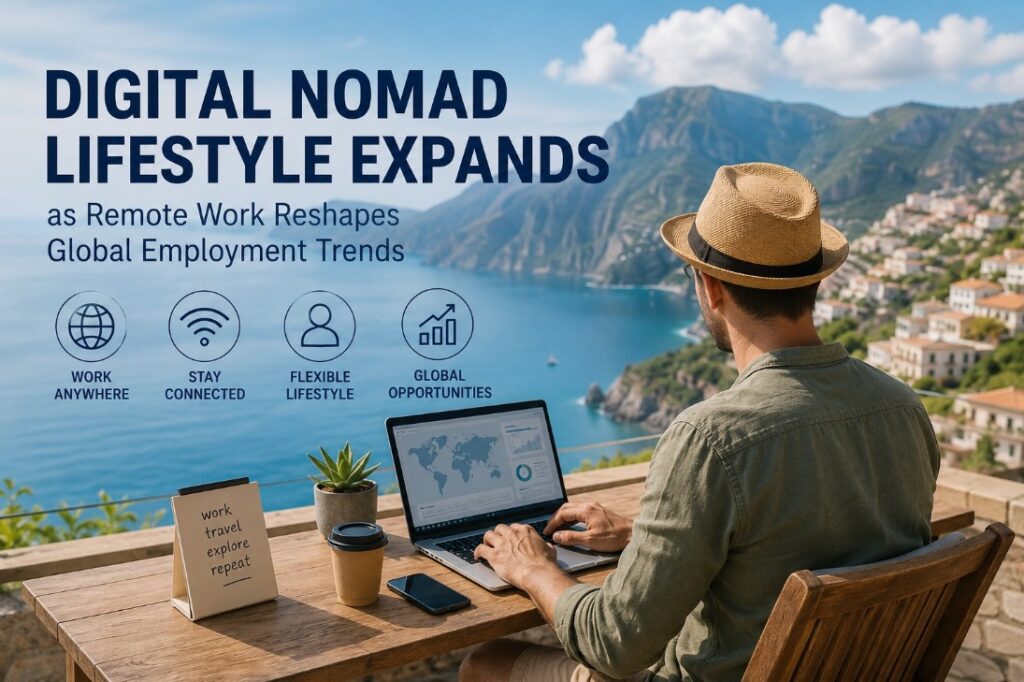
Barcelona, Spain / 500NewsWire / July 29, 2026 / The digital nomad lifestyle has transformed from a niche trend into a mainstream way of working. Advances in technology, widespread internet access, and the rise of remote work have enabled millions of professionals to perform their jobs from virtually anywhere in the world. As companies embrace flexible employment models, workers are increasingly choosing to combine their careers with travel, creating a new era of location-independent employment.
The Rise of Remote Work
The COVID-19 pandemic accelerated the adoption of remote work across nearly every industry. Businesses that once relied on traditional office environments quickly shifted to virtual operations, proving that many roles could be performed effectively from home—or anywhere with a stable internet connection.
Even after workplaces reopened, many organisations retained hybrid or fully remote work policies. This shift has allowed employees greater flexibility while encouraging businesses to recruit talent from across the globe rather than limiting hiring to local markets.
Why Professionals Are Choosing the Digital Nomad Lifestyle
Flexibility remains the biggest attraction for digital nomads. Remote workers can choose destinations based on affordability, climate, lifestyle, or cultural experiences while continuing to work for employers or clients located elsewhere.
Many professionals are relocating to countries with lower living costs, allowing them to improve their quality of life while maintaining competitive salaries. Popular destinations such as Portugal, Spain, Thailand, Indonesia, Mexico, and the United Arab Emirates have become leading hubs for remote workers due to their modern infrastructure and digital nomad-friendly visa programmes.
Technology Makes Location-Independent Work Possible
Technology is the foundation of the digital nomad movement. Cloud computing, video conferencing platforms, project management software, and collaboration tools enable employees to communicate and work efficiently regardless of their location.
Improved internet connectivity, secure virtual private networks (VPNs), digital payment systems, and cloud-based storage solutions have made it easier than ever for professionals to remain productive while travelling.
Benefits for Businesses
Companies are also benefiting from the growth of remote work. By hiring talent without geographical restrictions, organisations can access a larger and more diverse workforce while reducing office operating costs.
Distributed teams often provide businesses with greater flexibility and allow operations to continue across multiple time zones. This approach has become particularly valuable for technology firms, marketing agencies, consulting companies, and customer support services.
Economic Impact on Host Countries
Digital nomads contribute significantly to local economies by renting accommodation, dining in restaurants, using transportation services, and supporting local businesses. Unlike traditional tourists who may stay only a few days, many remote workers remain in one destination for several months.
Recognising these economic benefits, governments worldwide have introduced digital nomad visa programmes to attract skilled professionals who spend money locally without directly competing for domestic employment.
Challenges Facing Digital Nomads
Despite its many advantages, the digital nomad lifestyle also presents several challenges. Working across multiple time zones can complicate communication with colleagues and clients. Tax obligations, visa regulations, healthcare access, and legal requirements vary from country to country, requiring careful planning.
Cybersecurity is another important concern. Remote workers often rely on public Wi-Fi networks, making secure internet connections and strong data protection measures essential.
Maintaining Work-Life Balance
Although working from beautiful destinations may appear ideal, maintaining productivity while travelling requires discipline. Constant movement can lead to burnout if individuals fail to establish routines or separate work from leisure.
Many digital nomads use coworking spaces, which provide reliable internet, professional work environments, networking opportunities, and a sense of community that helps reduce isolation.
Governments Adapt to a Changing Workforce
As remote work becomes increasingly common, governments are updating immigration policies to attract international talent. More than fifty countries now offer specialised digital nomad or remote work visas, enabling professionals to live legally while working for overseas employers.
These programmes generate economic activity while positioning countries as attractive destinations for skilled global workers.
The Future of Global Employment
Experts believe digital nomadism will continue to expand as younger generations place greater value on flexibility, work-life balance, and international experiences. Continued improvements in artificial intelligence, digital collaboration tools, cloud computing, and global internet infrastructure will further support remote employment.
Businesses are expected to invest more heavily in distributed workforces, making geography less important when recruiting skilled professionals.
Conclusion
The digital nomad lifestyle is reshaping global employment by changing where and how people work. Flexible work arrangements, technological innovation, and supportive government policies have created new opportunities for both employers and employees. While challenges such as taxation, legal compliance, and work-life balance remain, the continued growth of remote work suggests that location-independent careers will become an increasingly important part of the global economy.