
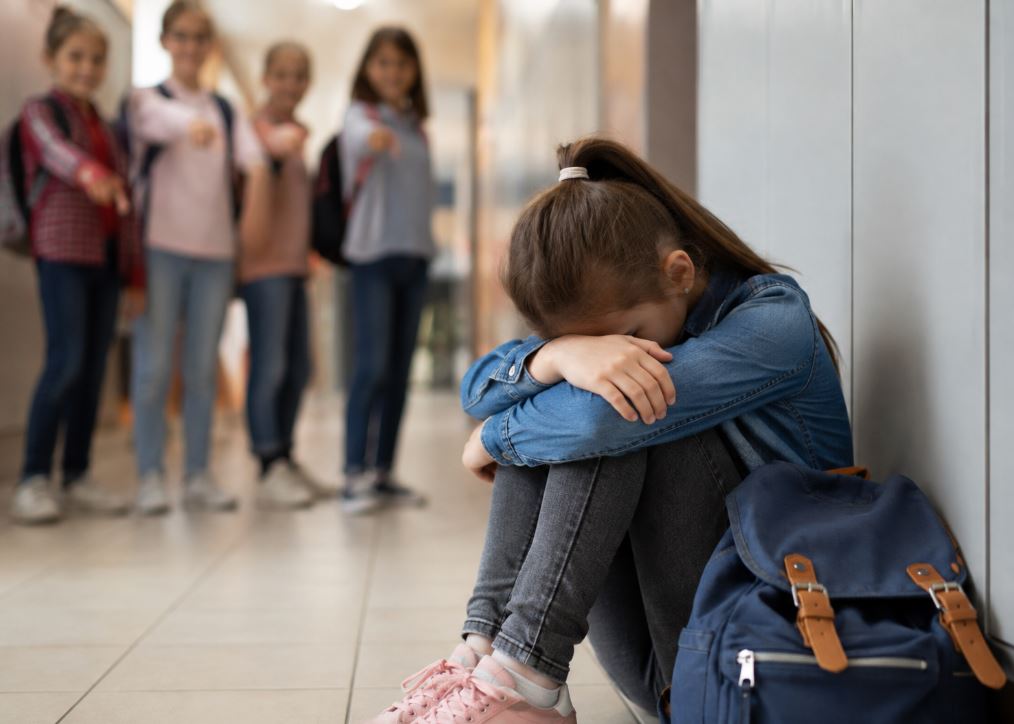
Toronto, Canada / 500NewsWire / August 5, 2026 / Bullying remains one of the biggest challenges children can face during their school years. Whether it happens in the classroom, on the playground, or through social media, bullying can affect a child’s confidence, emotional well-being, and academic performance. Many children are afraid to speak up because they fear the bullying will get worse or worry that no one will believe them.
For parents, learning that a child is being bullied can be upsetting. The good news is that early action and strong family support can make a significant difference. By working together with teachers and school staff, parents can help their children feel safe, supported, and confident again.
Recognize the Signs of Bullying
Not every child will openly admit they are being bullied. Some children hide their feelings to avoid worrying their parents. Paying attention to changes in behavior can help parents identify problems early.
Common warning signs include:
- Sudden reluctance to go to school
- Frequent headaches or stomach aches with no medical cause
- Unexplained injuries or damaged belongings
- Declining grades or loss of interest in school activities
- Changes in eating or sleeping habits
- Increased anxiety, sadness, or irritability
- Withdrawal from friends and family
While these signs do not always mean bullying is occurring, they deserve careful attention and conversation.
Create a Safe Space for Your Child to Talk
Children are more likely to share difficult experiences when they feel they will be heard without judgment. If you suspect bullying, choose a quiet time to talk.
Instead of asking yes-or-no questions, encourage open discussion with questions such as:
- “How are things going at school lately?”
- “Has anyone been making you feel uncomfortable?”
- “Can you tell me what happened?”
Listen patiently without interrupting. Avoid immediately offering solutions or becoming angry, as this may discourage your child from sharing more details.
Reassure your child that the bullying is not their fault and that they did the right thing by telling you.
Document What Is Happening
Keeping accurate records can help if the situation continues.
Write down:
- Dates and times of incidents
- Names of students involved
- Locations where bullying occurred
- Any witnesses
- Screenshots of online messages or social media posts in cases of cyberbullying
Detailed documentation helps schools understand the situation and respond appropriately.
Contact the School Early
Parents should inform the school as soon as bullying is confirmed or strongly suspected.
Start by contacting your child’s teacher or school counselor. Calmly explain the situation and provide the information you have collected.
Ask questions such as:
- What steps will the school take?
- How will my child’s safety be protected?
- How will progress be monitored?
- When should we follow up?
Most schools have anti-bullying policies and procedures designed to investigate complaints and protect students.
Teach Healthy Ways to Respond
Parents cannot always prevent bullying, but they can help children develop confidence and coping skills.
Encourage your child to:
- Stay close to trusted friends during school.
- Walk away from situations that become unsafe.
- Tell a trusted adult immediately.
- Avoid responding aggressively, which may escalate the situation.
- Practice confident body language by standing tall and speaking clearly.
Role-playing different scenarios at home can help children feel more prepared if bullying occurs again.
Address Cyberbullying Immediately
Bullying no longer ends when school is over. Many children experience harassment through text messages, gaming platforms, and social media.
Parents should:
- Save evidence of abusive messages.
- Block and report offenders.
- Review privacy settings on social media accounts.
- Encourage children not to respond to hurtful messages.
- Inform the school if classmates are involved, even if incidents occur online.
Teaching responsible digital behavior is an important part of protecting children today.
Support Your Child’s Emotional Well-Being
The emotional effects of bullying can last long after the incidents stop. Children who feel supported at home often recover more quickly.
Spend quality time together, encourage activities they enjoy, and celebrate their strengths outside of school.
If your child shows ongoing signs of depression, severe anxiety, or refuses to attend school, consider speaking with a licensed mental health professional. Early support can prevent long-term emotional difficulties.
Encourage Positive Friendships
Strong friendships help children build resilience and reduce feelings of isolation.
Encourage participation in sports, clubs, music, art, or community programs where children can develop friendships based on shared interests. Positive social connections often improve confidence and provide valuable emotional support.
Know When Further Action Is Needed
If bullying continues despite repeated reports, parents may need to escalate the matter by contacting school administrators or district officials.
Remain calm, focus on facts, and continue documenting every incident and communication. Working cooperatively with the school usually leads to the best outcomes, but persistent situations require ongoing advocacy.
Conclusion
Bullying can have lasting effects on a child’s emotional health, education, and self-esteem, but parents play a powerful role in helping children overcome these challenges. By recognizing warning signs, maintaining open communication, partnering with the school, and providing emotional support, families can help children regain confidence and feel safe again.
The most important message every child should hear is simple: they are not alone. With caring adults, prompt action, and a supportive environment, children can recover from bullying and continue to grow into confident, resilient individuals.