
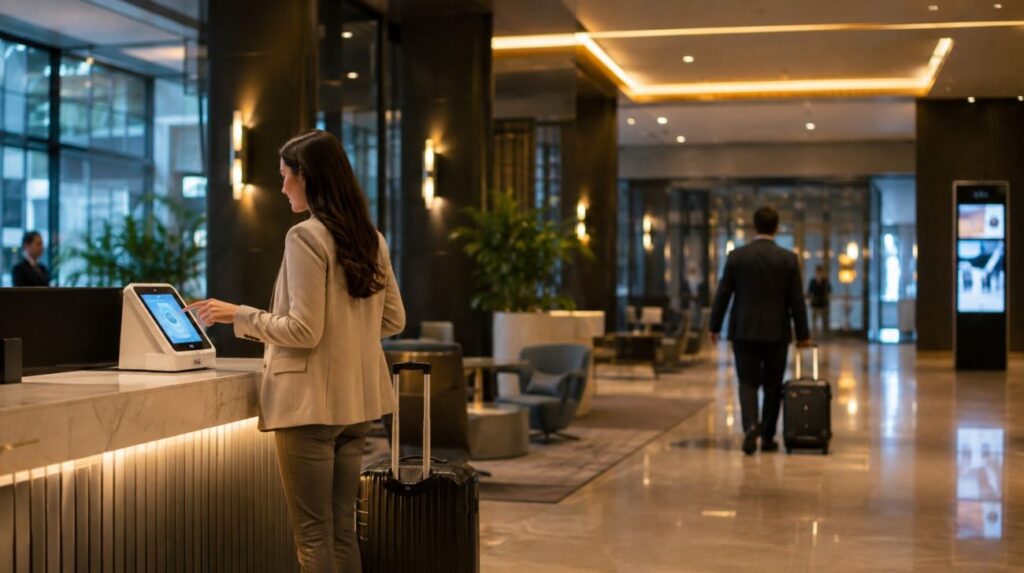
New York, NY / 500NewsWire / August 5, 2026 / The hotel industry is experiencing a major digital transformation as smart technology becomes a standard part of the guest experience. From contactless check-in to AI-powered digital concierge services, hotels are embracing innovation to improve convenience, increase efficiency, and meet the expectations of modern travelers.
Guests today want more than a comfortable room. They expect fast service, personalized experiences, and seamless technology throughout their stay. In response, hotels of all sizes—from luxury resorts to boutique properties—are investing in smart solutions that simplify operations while creating memorable guest experiences.
As digital travel continues to grow, smart hotel technology is no longer a luxury. It has become an important competitive advantage for hospitality businesses worldwide.
Contactless Check-In Improves Convenience
One of the biggest changes in recent years has been the widespread adoption of contactless check-in. Instead of waiting at the front desk, guests can complete registration through a mobile app, self-service kiosk, or online portal before arriving.
This technology reduces waiting times, minimizes paperwork, and allows travelers to begin enjoying their stay immediately. Many hotels also provide digital room keys that can be stored securely on smartphones, eliminating the need for traditional plastic key cards.
For hotel operators, contactless check-in improves staff efficiency by reducing administrative tasks and allowing employees to focus more on guest service.
Digital Concierge Services Enhance Guest Experiences
Digital concierge platforms are replacing printed hotel guides and telephone requests with instant, personalized assistance available around the clock.
Using mobile apps, in-room tablets, QR codes, or AI-powered chat assistants, guests can:
- Order room service
- Book spa appointments
- Reserve restaurants
- Request housekeeping
- Schedule airport transportation
- Receive local attraction recommendations
- Report maintenance issues
These services provide quick responses while reducing pressure on front desk staff. Guests enjoy greater convenience, and hotels benefit from faster communication and improved service quality.
Smart Rooms Offer Greater Comfort
Many hotels now feature smart guest rooms equipped with connected devices that allow visitors to control their environment with ease.
Common smart room features include:
- Voice-controlled lighting
- Automated curtains
- Smart thermostats
- Streaming entertainment systems
- Wireless charging stations
- Energy-efficient climate controls
Guests can often customize room settings through a mobile application before arriving, creating a personalized environment that enhances comfort throughout their stay.
Smart technology also helps hotels reduce energy consumption by automatically adjusting lighting and air conditioning when rooms are unoccupied.
Artificial Intelligence Supports Personalized Hospitality
Artificial intelligence is becoming an important tool in modern hospitality. AI systems analyze guest preferences and previous stays to recommend personalized services, promotions, and room upgrades.
For example, returning guests may automatically receive:
- Preferred room locations
- Favorite pillow options
- Dining recommendations
- Customized travel packages
- Loyalty rewards based on past behavior
AI-powered chatbots also provide instant answers to common questions, allowing guests to receive assistance at any hour without waiting for staff availability.
This combination of automation and personalization improves customer satisfaction while helping hotels operate more efficiently.
Hotels Strengthen Security Through Digital Innovation
As hotels adopt more connected technologies, protecting guest information has become a top priority.
Modern hospitality systems now incorporate:
- Secure encrypted payment processing
- Multi-factor authentication
- Digital identity verification
- Cloud-based reservation security
- Network monitoring against cyber threats
Hotels are also investing in regular cybersecurity training for employees to reduce risks associated with phishing attacks and unauthorized system access.
Building trust through strong digital security is becoming just as important as providing comfortable accommodations.
Smart Technology Supports Sustainable Hospitality
Technology is helping hotels achieve sustainability goals without sacrificing guest comfort.
Smart energy management systems automatically reduce electricity usage when rooms are vacant. Water monitoring systems identify leaks quickly, while intelligent lighting adjusts brightness based on occupancy and natural daylight.
Digital receipts, paperless check-in, and mobile communication also reduce paper waste across hotel operations.
These environmentally friendly practices lower operating costs while appealing to travelers who increasingly prefer businesses committed to sustainable tourism.
Practical Advice for Hotels Adopting Smart Technology
Hotels considering digital upgrades should focus on technology that delivers measurable value for both guests and operations.
Some practical steps include:
- Introduce mobile check-in before investing in larger automation projects.
- Select user-friendly systems that require minimal guest training.
- Integrate property management software with digital concierge platforms.
- Train employees to assist guests with new technologies.
- Maintain traditional service options for guests who prefer personal interaction.
- Regularly update software to improve security and performance.
- Collect guest feedback to identify opportunities for continuous improvement.
Successful technology adoption should enhance hospitality rather than replace the personal service that guests continue to value.
The Future of Smart Hospitality
The future of the hotel industry will combine advanced technology with exceptional customer service. Artificial intelligence, Internet of Things (IoT) devices, predictive analytics, and automation will continue improving operational efficiency while creating increasingly personalized guest experiences.
Hotels that invest thoughtfully in smart technology today are better positioned to meet evolving traveler expectations, reduce operational costs, and strengthen long-term competitiveness.
As digital innovation becomes a defining feature of modern hospitality, contactless check-in, digital concierge services, and intelligent hotel management systems are shaping a future where convenience, personalization, security, and sustainability work together to deliver better experiences for both guests and hotel operators.