
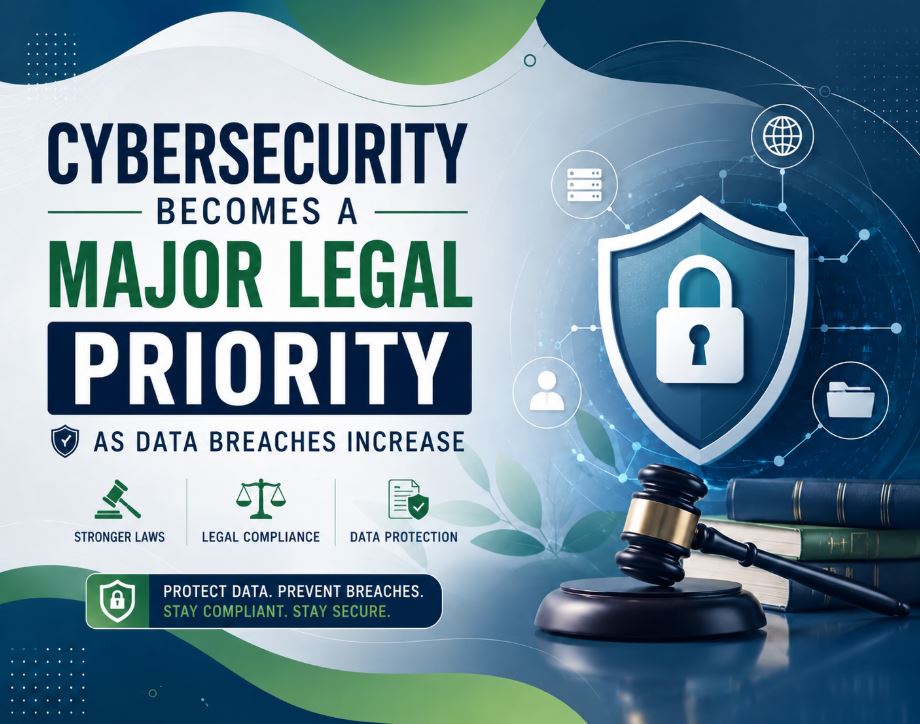
New York, NY / 500NewsWire / August 21, 2026 / Cybersecurity is no longer only a technology concern. As businesses collect and store more customer, employee, and financial information online, protecting that data has become an important legal responsibility. The growing number of data breaches is pushing companies to pay closer attention to cybersecurity laws, privacy requirements, and legal risks.
A major cyberattack can do more than interrupt business operations. It can expose sensitive information, damage a company’s reputation, and potentially lead to regulatory investigations, lawsuits, and significant financial costs. As a result, cybersecurity has become a growing priority for corporate legal teams and business leaders.
Data Breaches Create Growing Legal Risks
Data breaches can involve personal information such as names, addresses, identification details, payment information, passwords, or other confidential records. When this information is exposed, companies may face legal obligations depending on where their customers and employees are located and what type of information was compromised.
Privacy regulations in different countries and regions continue to develop, creating a complex environment for businesses that operate internationally. Companies may need to determine whether a breach must be reported, who should be notified, and how quickly the required response must take place.
This has made legal guidance an important part of cybersecurity planning rather than something businesses consider only after an incident occurs.
Legal Teams Are Becoming More Involved in Cybersecurity
Corporate legal departments are increasingly working alongside information technology and cybersecurity teams. Their role can include reviewing privacy policies, assessing contractual obligations, preparing incident-response procedures, and helping businesses understand regulatory requirements.
Legal professionals may also review agreements with technology providers and third-party vendors. This is particularly important because a company’s cybersecurity exposure can extend beyond its own systems. A security incident involving a supplier or service provider may create additional legal and contractual questions.
By becoming involved before a breach occurs, legal teams can help companies identify potential weaknesses and prepare appropriate response procedures.
Regulators Continue to Focus on Data Protection
Governments and regulatory authorities around the world are placing greater attention on data privacy and cybersecurity. Businesses are increasingly expected to demonstrate that they have reasonable measures in place to protect sensitive information.
For companies, compliance is becoming an ongoing process rather than a one-time exercise. Security policies, employee training, access controls, data retention practices, and incident-response plans may all require regular review.
The legal consequences of failing to meet applicable requirements can vary significantly by jurisdiction, but the risks can include penalties, regulatory action, litigation, and increased scrutiny.
Businesses Are Strengthening Cybersecurity Strategies
The growing legal importance of cybersecurity is encouraging companies to take a more proactive approach. Many businesses are investing in security monitoring, employee awareness programs, stronger authentication systems, data encryption, and regular security assessments.
Companies are also reviewing how much personal information they collect and how long they retain it. Limiting unnecessary data can reduce both cybersecurity exposure and potential legal complications if an incident occurs.
For smaller businesses, cybersecurity can be especially challenging because they may have fewer financial and technical resources. However, basic security controls, clear policies, employee training, and a well-defined response plan can significantly improve preparedness.
Cybersecurity and Law Will Become Increasingly Connected
As digital threats continue to evolve, the relationship between cybersecurity and the legal industry is likely to become even stronger. Businesses can no longer view data protection as solely an IT responsibility.
Cybersecurity decisions increasingly have implications for privacy, contracts, compliance, litigation, and corporate reputation. Companies that integrate legal professionals into their cybersecurity planning may be better positioned to respond when threats emerge.
For business leaders, the message is increasingly clear: protecting data is not only about preventing a cyberattack. It is also about meeting legal responsibilities, protecting customers, and maintaining trust in an increasingly digital economy.