
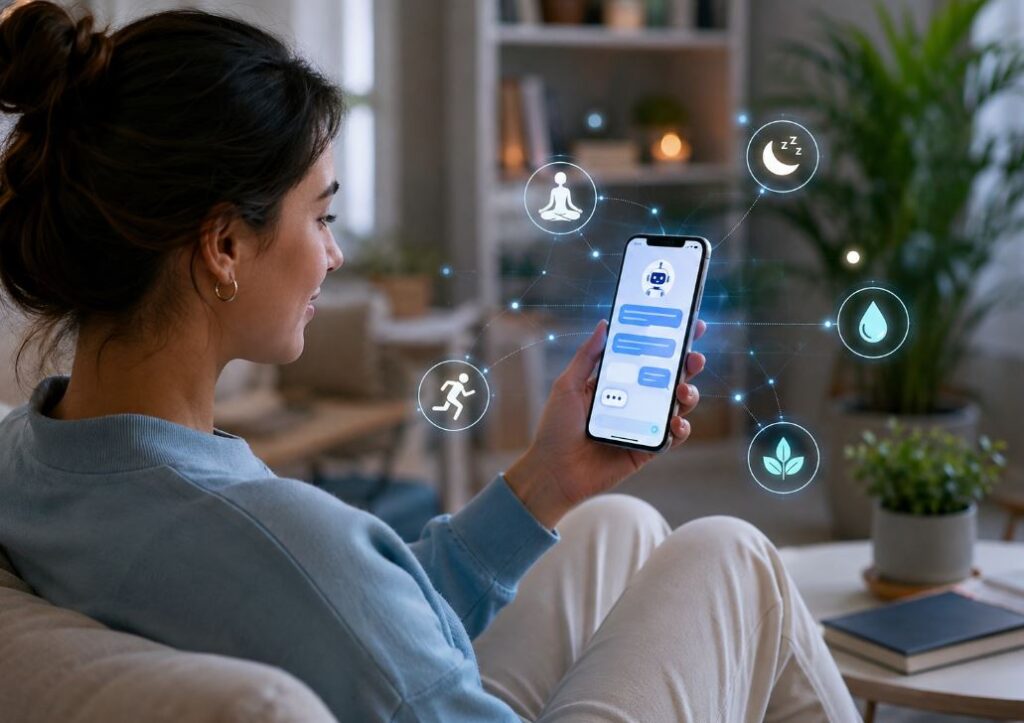
New Orleans, LA / 500NewsWire / September 3, 2026 / More people are opening an app before they open up to a friend. Across the world, artificial intelligence chatbots are quietly becoming part of daily self-care routines — offering a listening ear at midnight, a nudge to drink water, or a gentle reminder to breathe before a stressful meeting. What started as a novelty is turning into a genuine shift in how people manage their health.
Surveys show that a growing share of consumers now trust AI-powered tools when it comes to healthcare and wellbeing. That trust isn’t blind faith in technology — it comes from convenience. Unlike a doctor’s office with limited hours, an AI wellness guide is available at 2 a.m., doesn’t judge, and never rushes the conversation.
Why People Are Turning to AI for Wellness Support
Life today is busy, and traditional wellness support — therapists, nutritionists, coaches — often comes with long waitlists and high costs. AI chatbots fill that gap. They help people track moods, plan meals, build workout habits, and even talk through anxious thoughts in real time. For many, it’s not a replacement for professional care, but a bridge to it — a first, low-pressure step toward taking mental and physical health seriously.
Younger generations, in particular, are comfortable typing out their feelings before saying them out loud. That comfort is fueling adoption of wellness-focused AI tools, from meditation apps with built-in chat companions to fitness platforms that adjust routines based on how a user is feeling that day.
The Trust Gap Nobody Talks About
Here’s the catch: not every chatbot is built for this job. A general-purpose AI assistant, however smart, isn’t trained on clinical wellness best practices, crisis response protocols, or the nuance needed to handle sensitive health conversations safely. That’s why the smartest brands in wellness right now aren’t just bolting a chatbot onto their app — they’re training these tools specifically on holistic health guidelines, safety checks, and clear boundaries around what advice they can and can’t give.
This distinction matters. A chatbot that can recommend a breathing exercise is helpful. A chatbot that pretends to diagnose a medical condition is dangerous. The wellness industry is learning that lesson fast, and it’s shaping how these tools get built going forward.
What This Means for Everyday Wellbeing
For the average person, this shift means more accessible support — a daily check-in, a sleep tracker that actually talks back, a nutrition planner that adapts on the fly. It doesn’t mean human care is being replaced. Doctors, therapists, and nutritionists remain essential, especially for anything serious. But AI is becoming the first stop, the daily companion that keeps people engaged with their health between appointments.
The Bigger Picture
This isn’t a passing trend. As AI tools get better at understanding context and emotion, and as more companies build wellness-specific safeguards into their products, chatbots are set to become a standard part of the self-care toolkit — right alongside step counters and water bottles.
The real story here isn’t the technology itself. It’s what it says about how people want to be cared for: on their own time, without judgment, and with support that’s always just a message away.