
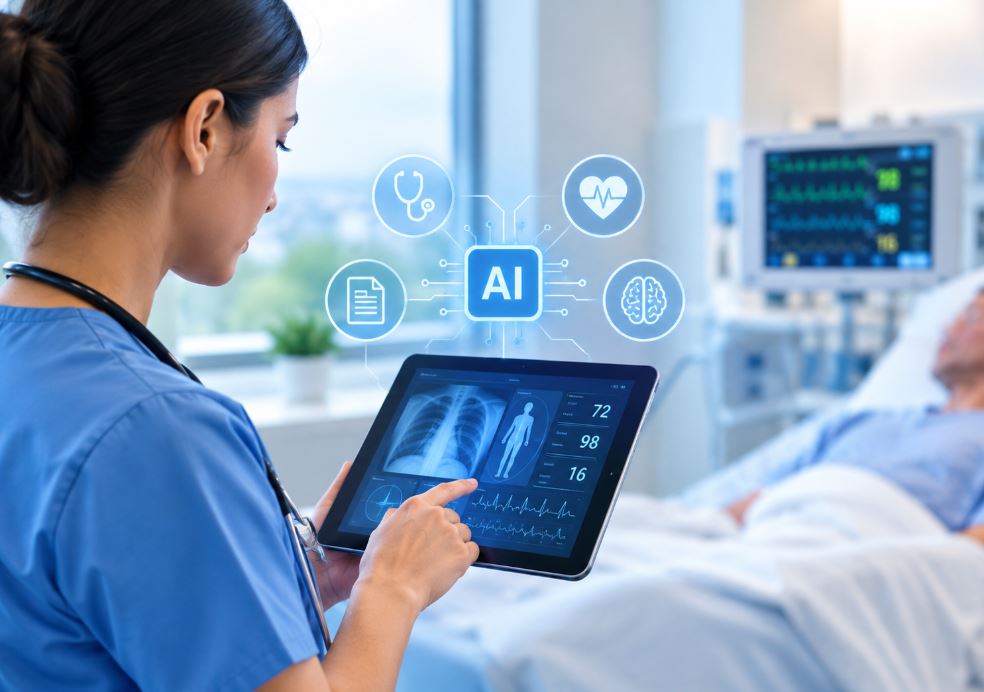
Falls Church, Virginia / 500NewsWire / September 12, 2026 / Hospitals and clinics around the world are leaning more on artificial intelligence to spot diseases earlier and keep a closer eye on patients after they leave the hospital. What used to sound like science fiction a decade ago is now becoming part of everyday healthcare, and the pace of adoption is picking up fast.

A Shift From Reactive Care to Early Detection
For years, healthcare has largely worked in a reactive way. A patient feels unwell, visits a doctor, and then testing begins. AI is starting to change that pattern. Machine learning tools can now scan medical images, lab results, and patient history to flag warning signs that a human eye might miss or take longer to catch.
This matters most in areas like cancer screening, heart disease, and eye conditions, where early detection can make a real difference in treatment outcomes. Radiologists and doctors are increasingly using AI as a second set of eyes, not to replace their judgment, but to support it.
Remote Patient Monitoring Is Growing Fast
Beyond diagnostics, AI is also reshaping how patients are monitored once they leave a hospital bed. Wearable devices and connected sensors can now track heart rate, oxygen levels, blood sugar, and movement patterns in real time. When something looks off, the system can alert a care team before a small issue turns into an emergency.
This is especially useful for people managing chronic conditions like diabetes or heart failure, where staying ahead of a problem is far better than reacting to a crisis. Hospitals are finding that this kind of continuous monitoring can reduce readmissions and give patients more confidence to recover at home.
Why This Trend Is Gaining Attention Online
As healthcare organizations roll out these tools, many are sharing updates about new partnerships, pilot programs, and results through public announcements. This kind of news is not just useful for patients and investors, it also plays a role in how visible a healthcare brand becomes online.
This is where global press release distribution has stepped in to help. Services like 500NewsWire, a global press release distribution platform, allow healthcare organizations to share their AI initiatives with a wide network of media outlets and news platforms at once. This helps hospitals, health tech startups, and research groups get their story in front of journalists, industry watchers, and the public without relying on a single news outlet to pick it up.
The Human Side of the AI Conversation
It is worth remembering that none of this is about replacing doctors and nurses. The goal is to give healthcare workers better tools so they can spend more time with patients instead of digging through data. AI works best as a support system, catching patterns early and freeing up time for the human parts of care that really matter, like listening, explaining, and comforting.
What Comes Next
As more hospitals adopt AI for diagnostics and monitoring, the technology will likely keep improving through real-world use. Every scan reviewed and every alert sent helps these systems get a little smarter. For patients, that could mean fewer missed warning signs and a healthcare system that catches problems sooner rather than later.