
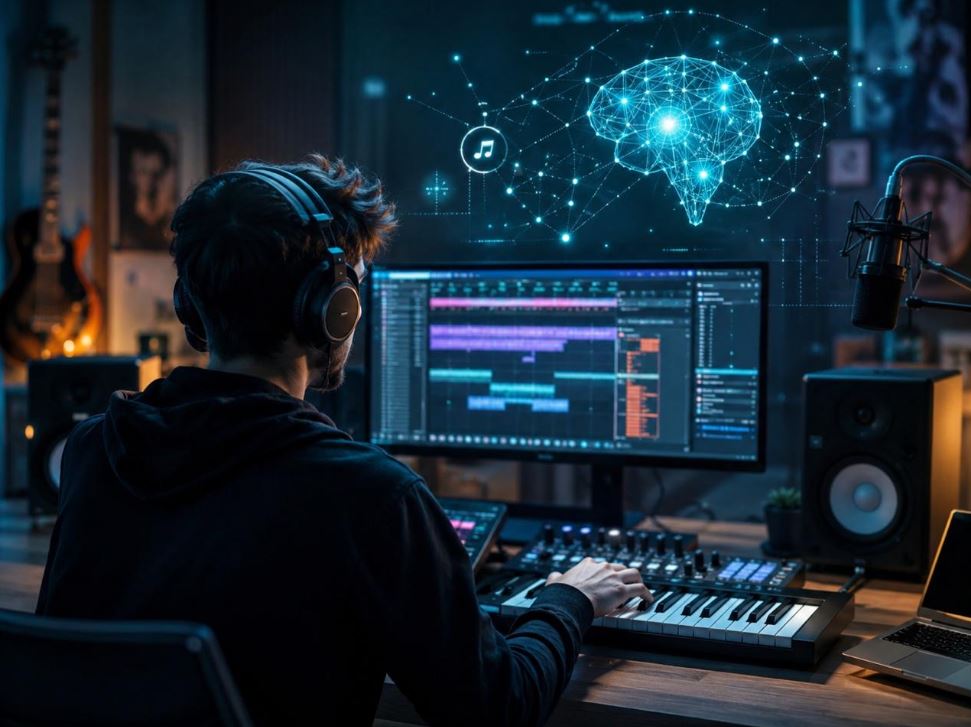
Los Angeles, California / 500NewsWire / Artificial intelligence and music technology are changing the way artists create, produce, and share music. From AI-assisted songwriting tools to smarter production software and digital platforms, emerging technologies are giving musicians new ways to experiment with sound while reaching audiences around the world.
The rapid development of music technology is creating opportunities for both established performers and independent artists. Many musicians can now access production tools that were once limited to professional studios, allowing them to record, edit, mix, and distribute their work with fewer resources.
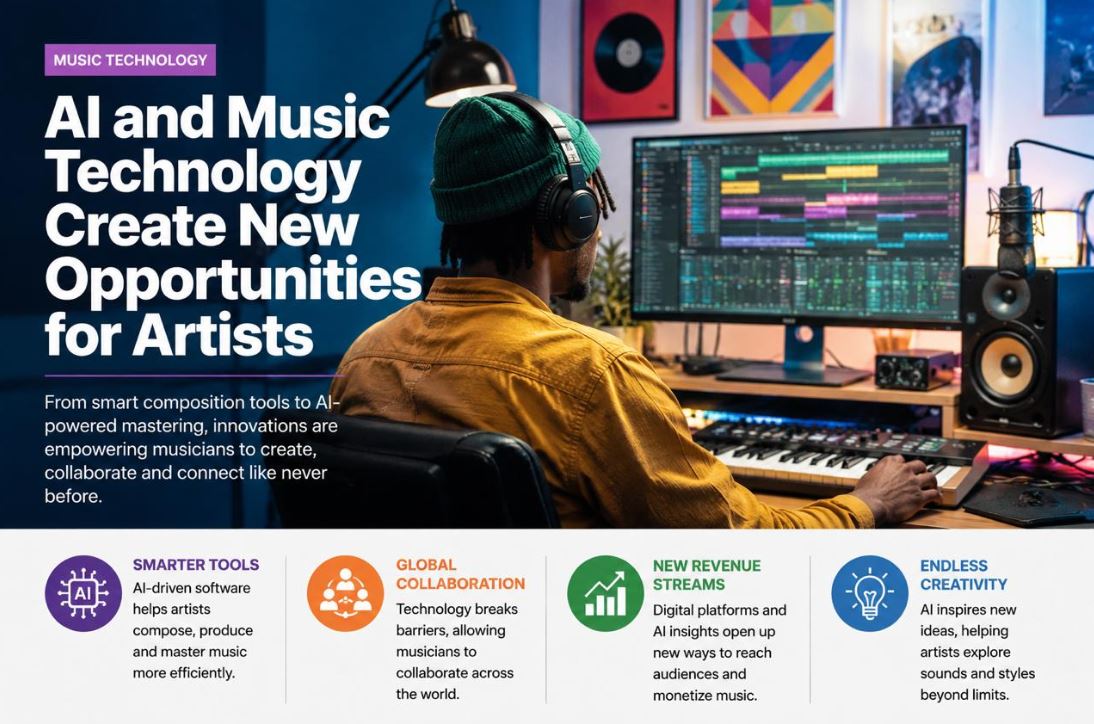
AI Helps Artists Explore New Creative Ideas
One of the biggest developments is the growing use of artificial intelligence during the creative process. AI-powered software can help musicians generate musical ideas, explore different arrangements, analyze recordings, and experiment with sounds.
For artists, these tools can serve as creative assistants rather than replacements for human talent. A songwriter may use technology to explore a melody or arrangement before adding personal lyrics, instruments, and performance choices.
This approach can make experimentation faster while allowing artists to focus more attention on their individual style and artistic identity.
Music Production Becomes More Accessible
Modern music production technology is also lowering barriers for independent musicians. Affordable recording equipment, cloud-based platforms, digital audio workstations, and AI-powered editing tools allow artists to produce professional-sounding tracks without needing access to expensive recording facilities.
Technology can assist with tasks such as noise reduction, vocal enhancement, mastering, and sound balancing. These developments may be particularly valuable for emerging artists who are building careers with limited budgets.
As production becomes more accessible, musicians from different backgrounds and regions can participate in the global music industry.
New Opportunities for Independent Artists
Digital distribution has already changed how musicians connect with listeners, and AI is adding another layer to that transformation. Artists can use data and audience insights to better understand listening habits, discover potential audiences, and make informed decisions about releasing new music.
Social media and streaming platforms also give independent musicians direct access to international audiences. A song created in a small studio can potentially reach listeners in multiple countries without traditional industry gatekeepers.
For new artists, this combination of technology, digital distribution, and global connectivity could create more opportunities to build sustainable careers.
Copyright and Creative Ownership Remain Key Issues
Despite the opportunities, the growth of AI in music is also raising important questions about copyright, consent, and ownership. Artists and industry organizations continue to discuss how copyrighted recordings should be used to train AI systems and how creators should be protected when their voices or musical styles are involved.
These concerns are likely to remain an important part of the technology conversation as AI becomes more common in music production.
Clearer rules could help create a balance between technological innovation and the rights of musicians, songwriters, producers, and performers.
The Future of Music Technology
The relationship between AI and music is expected to continue developing as new tools become more sophisticated. Rather than replacing every traditional part of music creation, technology may increasingly work alongside artists to support creativity, production, and audience engagement.
For musicians, the most significant opportunity may be the ability to do more with fewer resources. Artists can experiment with new sounds, improve production quality, reach international listeners, and develop their careers through digital platforms.
As the music industry adapts to these changes, the combination of human creativity and advanced technology could open a new chapter for artists worldwide. The future of music may not be defined by AI alone, but by how effectively musicians use these tools to strengthen their own creative voices.