

Renovation Brothers
A mountain home in Utah faces a different set of demands than a valley home a short drive away. Snow loads pile up on roofs, freeze-thaw cycles work at every joint and seal, intense sun at altitude fades and dries exterior materials, and access for maintenance can be difficult in winter. A remodel or exterior project that ignores those conditions may look fine in summer and fail in February. Designing for durability in the mountains is therefore less about choosing a single rugged material and more about thinking through how the whole exterior system handles snow, water, sun, and temperature change together.
Start with the roof and the paths water and snow take once they leave it. In mountain areas around Park City, snow can sit on a roof for weeks, then melt and refreeze at eaves and valleys. Ice dams, gutters, and drainage routes all need to be considered as a system, not as separate items. Where snow slides off a roof, it needs a safe landing zone, not a walkway, a deck, or a gas meter. Where meltwater drains, it needs a route that will not refreeze across a path or pool against a foundation. A design that looks only at the roof material, without asking where snow and water go next, is incomplete.
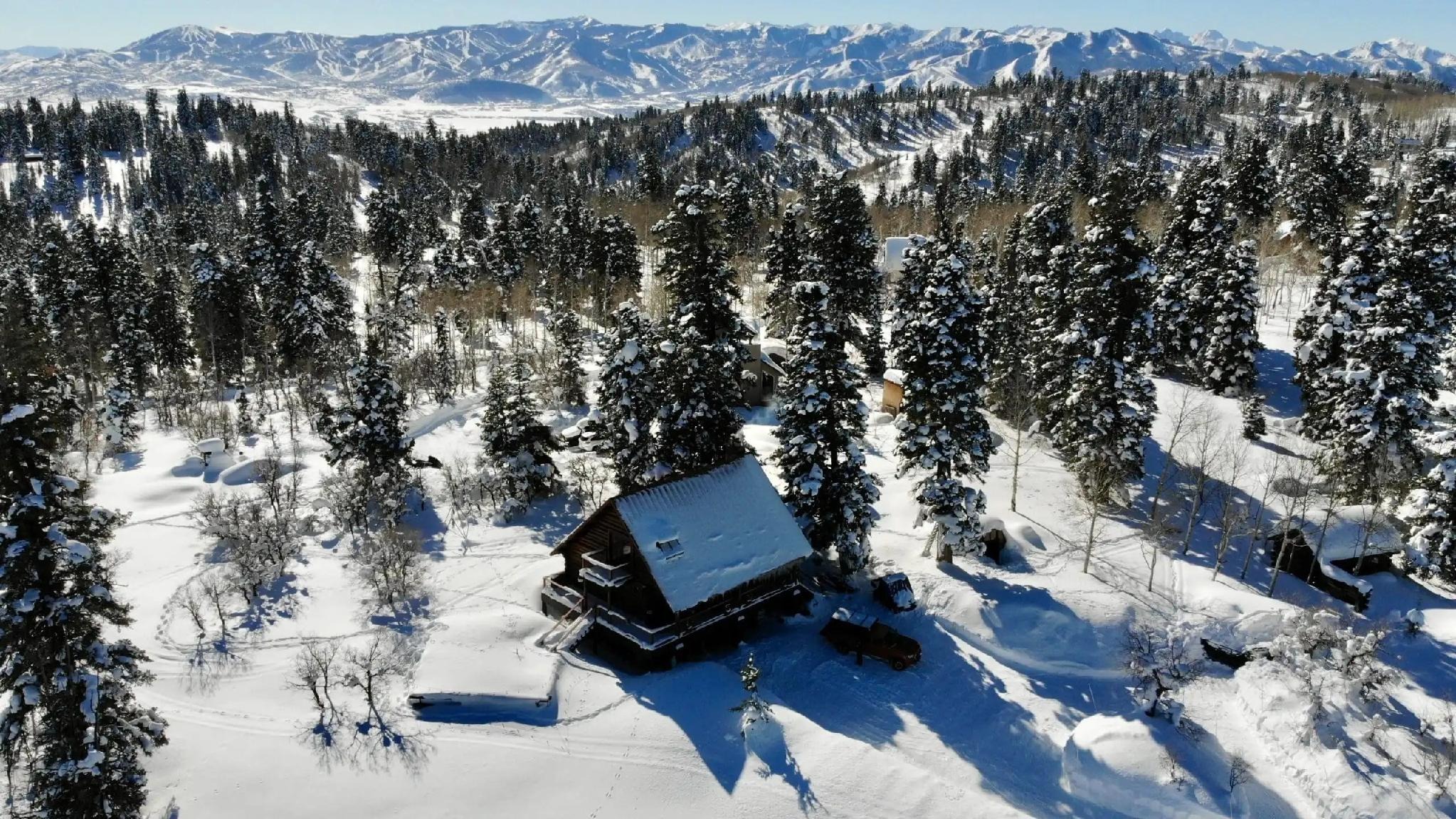
Illustrative stock image — not a photo of Renovation Brothers’s actual project.
Exterior materials: choose for the climate, not just the catalogue
Siding, trim, decking, and stone all behave differently at altitude and in cold. Wood needs regular sealing and can move with moisture changes, while fibre-cement and metal options may offer different trade-offs in weight, maintenance, and appearance. No material is maintenance-free in the mountains, and any claim otherwise should be treated with scepticism. The right question is not which material never needs attention, but which material’s maintenance you can realistically keep up with, given access, weather windows, and whether the home is occupied year-round or used seasonally. A seasonal home that sits empty through winter needs materials and systems that tolerate neglect for months, not just a few weeks.
Details matter more than headlines. Flashing around windows, doors, chimneys, and roof penetrations is where water most often gets in, and it is also where freeze-thaw damage starts. Sealants have a lifespan, especially under strong sun, and they need inspection and renewal. Decks need drainage and ventilation beneath them so trapped moisture does not rot framing. Stone and masonry need proper footings and drainage so frost does not heave them. These details are rarely visible in a finished photograph, but they decide whether an exterior lasts fifteen years or five. Ask any contractor to explain, in plain language, how water is kept out at each junction, and how each detail can be inspected and repaired later.
Windows, insulation, and comfort through the seasons
A mountain remodel is also an opportunity to improve comfort, not just durability. Well-sealed windows and doors reduce drafts and heat loss, but they must also be installed with flashing and air-sealing details that suit the wall assembly, or condensation can become a new problem. Insulation upgrades should be considered alongside ventilation, because a tighter home needs a deliberate path for fresh air and moisture to escape. Think about the rooms you use most in winter: a primary bedroom that stays cold, a living room with a wall of glass that loses heat at night, or a mudroom that must handle snow-covered boots. Comfort in those rooms is a practical test of whether the exterior work has succeeded.
Planning for access and maintenance from the start
Mountain homes are often harder to reach and service in winter, which means maintenance should be designed in, not hoped for. Can gutters and roof valleys be reached safely? Can a snow load be cleared from a vulnerable area without damaging the roof? Are exterior lights, vents, and meters accessible when snow is deep? Is there storage for tools and materials near the home? A seasonal maintenance checklist, covering roof, gutters, sealants, decks, and drainage before winter and after spring melt, is worth writing down while the project is fresh. Homeowners who plan maintenance at design stage tend to catch small failures before they become structural ones, which is especially important when a home may sit unvisited for weeks.
Working with a team that knows mountain conditions
Local experience matters here, because mountain conditions vary even within Utah: elevation, exposure, snow patterns, and local rules can differ between neighbouring valleys. A team that has worked in mountain communities will ask about snow storage, access, and seasonal occupancy before proposing materials. Renovation Brothers works in the Salt Lake City and Park City areas, and a conversation with a team familiar with those conditions can help test whether a proposed exterior detail will hold up through several winters, not just one. Ask for examples of mountain projects completed several years ago, and look, where possible, for how those exteriors have weathered rather than how they looked when new.
Seasonal homes and the winter nobody sees
Many mountain homes are used seasonally, which creates a particular durability challenge: the home must survive the harshest months with nobody there to notice a problem. A small leak, a blocked gutter, or a failed seal can do months of damage before anyone visits. For seasonal homes, therefore, winterisation and remote awareness matter as much as material choice. Pipes should be protected or drained according to a clear plan, gutters and drainage should be cleared before departure, and a trusted local contact should be able to check the home after major storms. Smart sensors for temperature and water can alert an owner to a problem early, but they are a supplement to, not a replacement for, physical checks. Designing a mountain home for the winter nobody sees is what keeps it ready for the summer everyone enjoys.
Conclusion: durability is a system, not a product
A durable Utah mountain home is not the result of one tough material. It is the result of a roof, drainage, flashing, siding, windows, and maintenance plan that work together through snow, sun, and freeze-thaw cycles. Homeowners planning exterior or whole-home work should judge proposals on those details, on realistic maintenance, and on how the design handles snow and water after they leave the roof. Whole-house remodeling for mountain and valley homes alike should start with that systems view, because a home that is built to be maintained is a home that will still look and perform well after many mountain winters.