
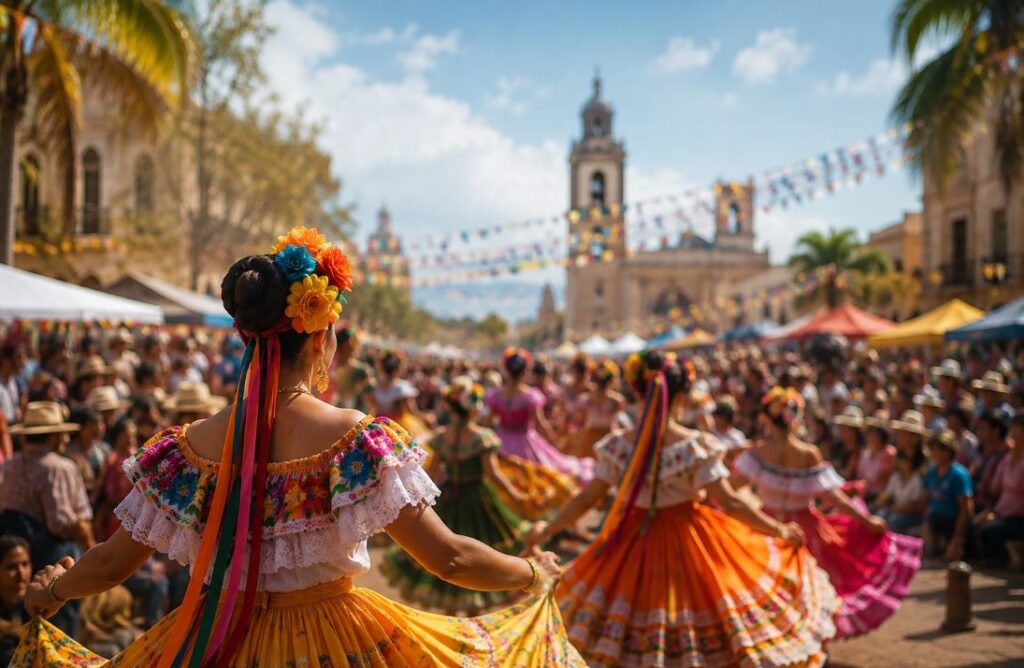
Rio de Janeiro, Brazil / 500NewsWire / August 19, 2026 / Cultural festivals are becoming an increasingly important part of the global tourism industry, attracting visitors who want more than traditional sightseeing. From music and food celebrations to religious ceremonies, art fairs, and heritage events, festivals are giving travelers an opportunity to experience the identity and traditions of a destination.
As international and domestic tourism continues to evolve, many cities and communities are using cultural festivals to attract visitors, support local businesses, and create new economic opportunities. The trend is also helping smaller destinations gain attention beyond traditional tourist attractions.
Cultural Festivals Create New Tourism Opportunities
Travelers are increasingly interested in authentic experiences that connect them with local communities. Cultural festivals provide an opportunity to experience traditional food, music, clothing, crafts, performances, and customs in a single event.
For destinations that may not have large theme parks or famous landmarks, a successful cultural festival can become a major attraction. Visitors may plan an entire trip around a particular celebration, creating demand for hotels, restaurants, transportation services, tour operators, and local entertainment.
This growing interest is helping cultural tourism become an important part of destination marketing. Local governments and tourism organizations are increasingly promoting festivals as reasons for travelers to visit during specific times of the year.
Local Businesses Benefit From Festival Tourism
The economic impact of cultural festivals often extends well beyond the event itself. When visitors arrive, they spend money on accommodation, meals, transportation, shopping, entertainment, and other services.
Small businesses can benefit significantly from this increased activity. Local restaurants may experience higher customer numbers, while artisans and independent sellers can introduce their products to new audiences. Hotels and guesthouses may also see stronger bookings during festival periods.
For communities, this creates an opportunity to keep more tourism spending within the local economy. Instead of revenue going primarily to large international companies, festivals can direct attention toward locally owned businesses and independent creators.
Traditional Culture Gains a Modern Audience
Cultural festivals are also playing a role in preserving traditions. Younger generations can become more interested in traditional music, dance, crafts, cuisine, and storytelling when these elements are presented in engaging and contemporary ways.
Social media has further expanded the reach of local celebrations. Visitors frequently share photographs, videos, and personal experiences online, allowing festivals to reach potential travelers around the world.
A small cultural event can therefore gain international visibility without requiring a large advertising budget. Online attention can encourage more visitors to attend future editions and help destinations build a recognizable cultural identity.
Festivals Can Support Sustainable Tourism
Cultural tourism can also contribute to more balanced tourism growth. Instead of concentrating visitors around a few famous attractions, festivals can encourage travelers to explore different neighborhoods, towns, or rural communities.
However, organizers need to manage growth carefully. Large crowds can place pressure on transportation, public spaces, waste management, and local infrastructure. Successful festivals increasingly require planning that considers both visitor demand and the needs of residents.
Sustainable festival tourism can include local hiring, responsible waste management, support for traditional producers, and measures that protect historic sites and cultural practices.
The Future of Cultural Festival Tourism
As travelers continue searching for meaningful and memorable experiences, cultural festivals are likely to remain an important tourism trend. Their ability to combine entertainment, heritage, community participation, and economic activity makes them valuable to destinations of different sizes.
For local communities, the opportunity goes beyond attracting visitors. Well-managed cultural festivals can create jobs, support small businesses, promote local traditions, and strengthen a destination’s identity.
The growing connection between cultural festivals, tourism, and local economic growth shows that celebrations rooted in community traditions can have an impact far beyond the festival grounds. In the years ahead, destinations that successfully combine cultural authenticity with modern visitor experiences could gain a stronger position in the competitive global tourism market.