
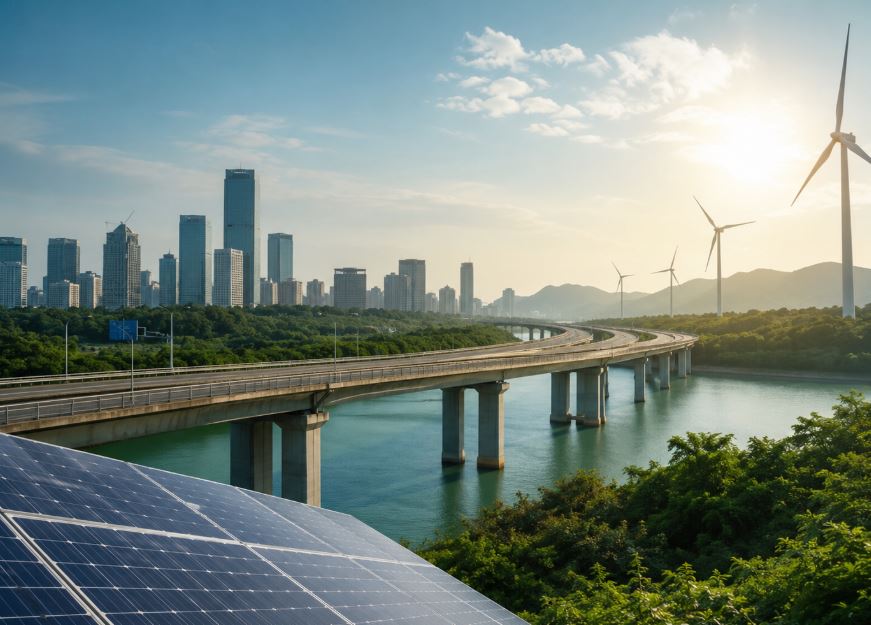
Washington, DC / 500NewsWire / July 31, 2026 / As climate-related disasters become more frequent and costly, governments around the world are increasing investments in climate adaptation to protect communities, critical infrastructure, and national economies. From stronger flood defenses and wildfire prevention programs to drought-resistant water systems and climate-smart transportation networks, public funding is shifting toward long-term resilience instead of relying only on emergency disaster recovery.
Experts say adaptation spending is becoming an essential part of national development plans as countries face rising temperatures, changing weather patterns, and increasing pressure on public infrastructure. While reducing greenhouse gas emissions remains a global priority, governments are also recognizing that preparing for climate impacts is equally important to protect lives and economic stability.
Growing Public Investment in Climate Resilience
Many countries have announced new funding programs aimed at improving climate resilience across cities, rural communities, and coastal regions. These investments are supporting projects such as stronger bridges, upgraded drainage systems, modern water treatment facilities, flood barriers, and improved public transportation designed to withstand extreme weather.
Local governments are also receiving additional financial support to strengthen emergency preparedness. New funding is helping municipalities improve early warning systems, modernize disaster response centers, and develop long-term climate adaptation strategies tailored to regional risks.
Public agencies believe these investments will reduce future repair costs while improving public safety and protecting essential services during natural disasters.
Infrastructure Becomes a National Priority
Critical infrastructure has become one of the main focuses of climate adaptation funding. Roads, railways, airports, ports, hospitals, schools, and energy networks are increasingly vulnerable to flooding, storms, heatwaves, and rising sea levels.
Governments are encouraging engineers and planners to build infrastructure that can continue operating during extreme weather events. New construction projects are increasingly designed with climate resilience in mind, using stronger materials, improved drainage systems, and better environmental planning.
Rather than rebuilding damaged infrastructure after every disaster, many governments are investing in preventive measures that reduce future risks and lower long-term maintenance costs.
Communities Receive Greater Protection
Climate adaptation funding is also reaching local communities that face higher environmental risks. Coastal towns are strengthening sea defenses, while inland regions are improving flood management systems and expanding water conservation projects.
Agricultural communities are benefiting from investments in drought-resistant irrigation systems, soil conservation programs, and modern farming technologies that help farmers adapt to changing climate conditions.
Urban areas are introducing more green spaces, tree planting initiatives, and heat management programs to reduce the impact of rising temperatures. These projects not only improve environmental conditions but also create healthier and more comfortable places for people to live.
Private Sector and International Cooperation Increase
Governments are increasingly working alongside private investors, financial institutions, engineering firms, and international organizations to expand climate adaptation projects.
Public-private partnerships are helping accelerate infrastructure modernization while encouraging innovation in climate technologies. Insurance companies, construction firms, and renewable energy developers are also contributing expertise and investment to strengthen climate resilience.
International cooperation is becoming equally important, with countries sharing research, engineering knowledge, and financing models that can help vulnerable regions prepare for future climate challenges.
Climate Adaptation Creates Economic Opportunities
Beyond protecting communities, climate adaptation is creating new economic opportunities across multiple industries. Construction companies, technology providers, engineering consultants, environmental service firms, and renewable energy businesses are benefiting from growing demand for resilient infrastructure solutions.
The expansion of adaptation funding is also generating skilled jobs in urban planning, environmental science, civil engineering, digital monitoring systems, and sustainable construction.
Many economists believe that investing in resilience today can significantly reduce future disaster recovery expenses while supporting long-term economic growth.
Looking Ahead
Climate adaptation is becoming a permanent part of government planning rather than a temporary response to extreme weather events. As climate risks continue to evolve, policymakers are expected to increase investments that protect infrastructure, strengthen local communities, and improve national resilience.
The growing commitment to climate adaptation funding reflects a broader understanding that preparing for future environmental challenges is both an economic necessity and a public responsibility. Governments that invest in resilient infrastructure today are positioning their countries to better withstand future climate impacts while supporting sustainable development, protecting essential services, and improving the quality of life for future generations.