
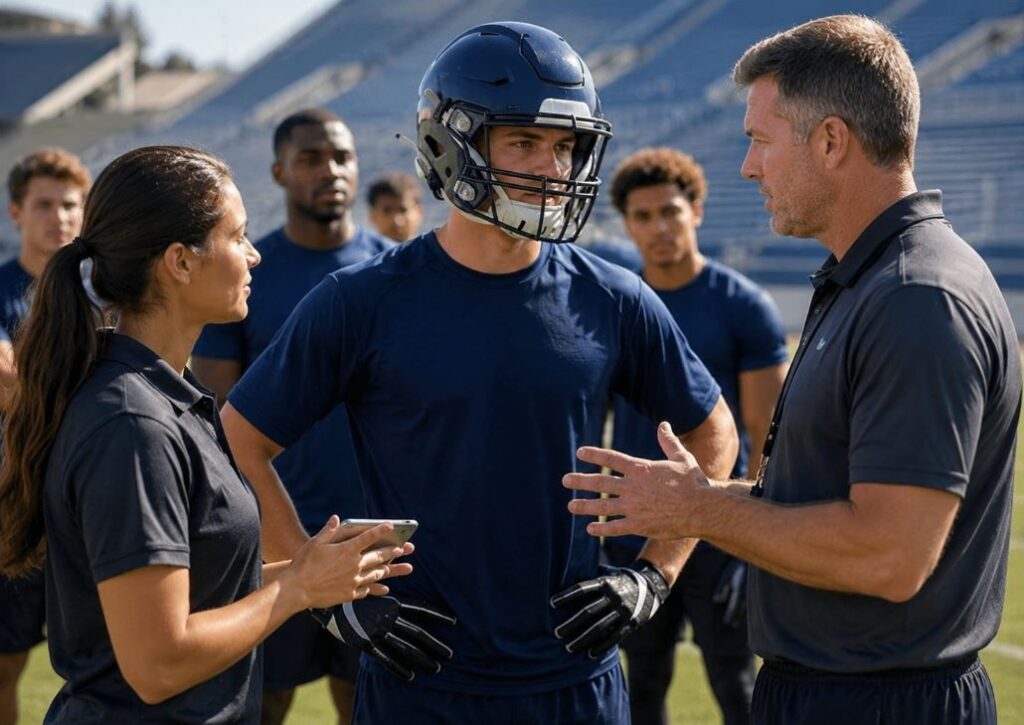
San Antonio, Texas / 500NewsWire / September 2, 2026 / For decades, getting “your bell rung” on the field was treated as part of the game. Shake it off, walk it off, get back out there. That mindset is fading fast. Across youth leagues, colleges, and professional sports, head injuries are finally being treated with the seriousness they deserve, and the rules governing player safety are changing because of it.
A Shift in How Sports Handle Head Injuries
The change didn’t happen overnight. It came from years of research linking repeated head trauma to long-term brain health issues, along with growing pressure from parents, athletes, and medical experts who refused to stay quiet. What used to be a quick sideline check is now a structured, multi-step evaluation process designed to catch symptoms that aren’t always obvious right away.
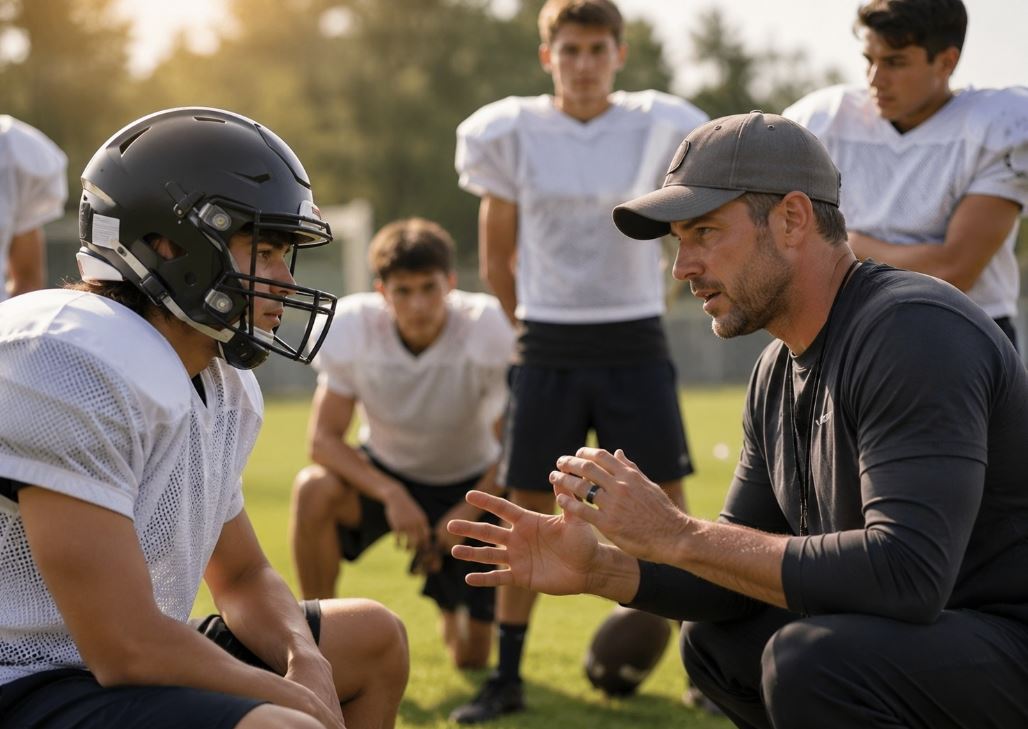
Referees, coaches, and athletic trainers are being trained to spot warning signs during play, not just after it. Return-to-play decisions are no longer left to a player’s toughness or a coach’s judgment call. Instead, they follow standardized protocols that often require medical clearance before an athlete can step back onto the field, court, or ice.
Why This Matters Beyond the Pros
While headlines often focus on professional athletes, the biggest impact of stricter safety measures may be happening at the youth and amateur level. Young athletes’ brains are still developing, and repeated impacts during formative years carry risks that researchers are still working to fully understand.
Many youth sports organizations now require baseline cognitive testing before a season even starts, giving medical staff a reference point to compare against if an injury occurs later. Some leagues have gone further, limiting full-contact practices, adjusting equipment standards, and even changing rules of play to reduce head-to-head contact altogether.
Technology Is Playing a Bigger Role
Safety improvements aren’t just procedural anymore — technology is stepping in too. Smart mouthguards and helmet sensors can now measure the force of impacts in real time, alerting medical staff when a hit crosses a concerning threshold. Sideline concussion testing apps help evaluate reaction time, memory, and balance within minutes, replacing guesswork with measurable data.
This shift toward safety doesn’t just protect athletes in the moment. It’s building a growing body of information that researchers can use to better understand how head injuries happen and how to prevent them in the first place.
A Cultural Change, Not Just a Rulebook Change
Perhaps the biggest shift isn’t found in any rulebook at all. It’s in attitude. Athletes are increasingly encouraged to speak up about symptoms rather than hide them, and teammates and coaches are being trained to notice when something seems off, even when a player insists they’re fine.
That cultural shift matters because concussions aren’t always visible. A player can look completely normal while dealing with symptoms that put their long-term health at risk if ignored.
Looking Ahead
Sports will always carry physical risk, and no protocol can eliminate that entirely. But the direction is clear: safety is no longer an afterthought squeezed in between plays. It’s becoming a core part of how sports organizations operate, from local youth leagues to the biggest stages in professional athletics.
As awareness continues to grow, one thing is becoming increasingly obvious — protecting athletes’ brains is no longer optional. It’s the new standard the entire sports world is being held to.