
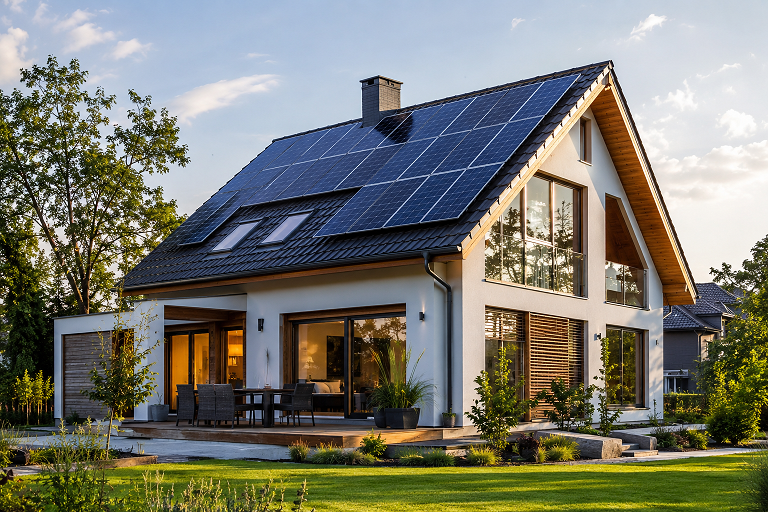
Solar energy is becoming an increasingly important consideration in residential construction as homeowners and builders look for more energy-efficient, sustainable, and future-ready homes.
Los Angeles, California / CorporatePRwire / September 03, 2026 / The construction of a modern home is no longer focused solely on creating a strong structure and attractive living space. Energy performance, operating costs, sustainability, and the ability to incorporate emerging technologies are becoming increasingly important factors in the design and construction process.
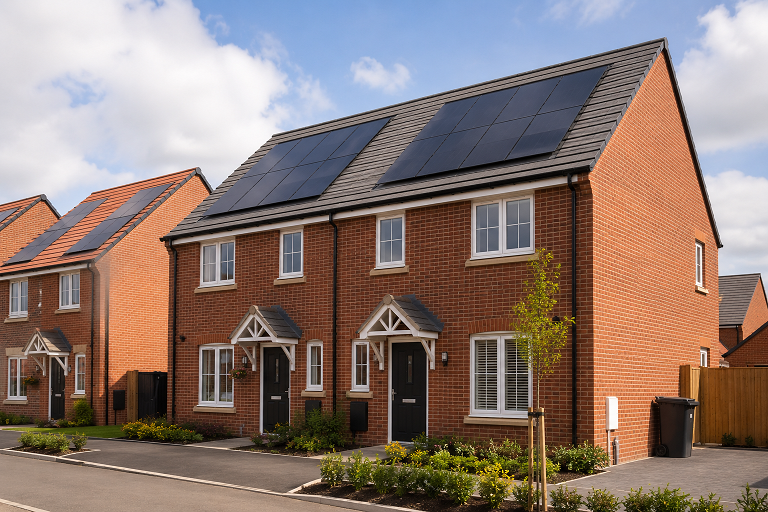
Among the technologies influencing this shift, solar energy stands out. Solar panels were traditionally installed after a home had already been built, often requiring adjustments to roofing, electrical systems, and other infrastructure. Today, builders and homeowners are increasingly considering solar power before construction even begins.
This approach is helping change how new homes are designed, with solar energy becoming part of the broader conversation about residential energy efficiency.
Solar Planning Is Moving Into the Early Design Stage
One of the biggest changes is the timing of solar planning. Rather than treating solar panels as an addition at the end of construction, architects and builders can consider renewable energy requirements during the initial design phase.
The orientation of a property, roof configuration, available sunlight, and potential sources of shade can all influence the performance of a solar energy system. Considering these factors before construction gives designers more opportunities to create a home that can accommodate solar technology efficiently.
Electrical infrastructure can also be planned around future solar installation. Conduits, wiring routes, electrical panels, and equipment locations can be incorporated into the original design rather than added after the home is complete.
Roof Design Is Playing a Greater Role
The roof is particularly important when designing a solar-ready home. Roof size, slope, orientation, and shading can affect the amount of sunlight available for solar panels.
As a result, some modern residential designs are being developed with suitable roof areas specifically in mind. Large, relatively unobstructed sections can provide useful space for photovoltaic panels, while thoughtful placement of vents and other rooftop equipment can help reduce potential conflicts.
Solar technology is also becoming more closely connected to architectural design. Products such as solar shingles and building-integrated photovoltaic systems can allow renewable energy technology to become part of the building itself rather than appearing as a separate addition.
Energy Efficiency and Solar Power Go Hand in Hand
Solar panels alone do not determine how efficiently a home uses energy. The building’s overall energy performance is equally important.
Modern construction can combine solar generation with improved insulation, energy-efficient windows, efficient heating and cooling equipment, LED lighting, and high-efficiency appliances. Better air sealing and building-envelope design can also reduce unnecessary energy consumption.
A more efficient home generally requires less electricity to operate. This can make it easier for a solar system to supply a larger portion of the property’s electricity requirements.
This combination is creating a more integrated approach to residential construction in which energy generation and energy efficiency are considered together.
Battery Storage Is Expanding Solar Possibilities
Solar panels generally produce the most electricity during daylight hours, while household electricity consumption can continue after sunset. Battery storage can help address this difference by storing some of the energy generated during periods of solar production for use later.
For new construction, battery storage can be considered alongside the solar system rather than treated as a separate future project. Builders can plan suitable equipment locations and electrical infrastructure during construction.
Depending on the system and local requirements, battery storage can also provide backup power for selected household loads during certain grid interruptions.
The combination of solar generation and energy storage is therefore becoming an important consideration for homeowners interested in improving energy resilience and managing electricity consumption.
Smart Homes Are Becoming More Energy-Aware
The development of smart-home technology is further changing how residential energy systems operate.
Modern monitoring systems can provide homeowners with information about electricity generation, household consumption, and battery performance. Smart thermostats, appliances, and energy-management systems can also help coordinate electricity use with periods of higher solar production.
This creates an opportunity for homeowners to move beyond simply generating electricity and toward actively managing how energy is produced, stored, and consumed.
As connected technologies become more common, the solar-powered home is increasingly becoming part of a larger smart-home ecosystem.
Early Integration Can Reduce Installation Challenges
Installing solar during the initial construction process can provide practical advantages. Electrical pathways and conduits can be incorporated before walls and ceilings are finished, potentially reducing the need for later modifications.
Roof structures can also be evaluated in advance to ensure that the planned system is compatible with the home’s design. Electrical capacity can be considered as part of the overall construction plan rather than addressed after occupancy.
However, solar installation remains highly dependent on individual circumstances. System costs, equipment choices, local regulations, available incentives, roof conditions, electricity consumption, and local utility policies can all influence whether solar is financially attractive for a particular homeowner.
Solar-Ready Homes Offer Long-Term Flexibility
Installing solar immediately is not the only option. Some homeowners may prefer to build a home that is prepared for solar installation at a later date.
A solar-ready design can include appropriate roof space, electrical capacity, conduit pathways, and other infrastructure needed for a future system. This can give homeowners greater flexibility if they want to adopt renewable energy after moving into the property.
Planning for future technology can also help avoid situations in which a completed home requires significant modifications to accommodate new energy equipment.
Sustainability Is Influencing Residential Construction
The growing interest in solar energy reflects a broader movement toward more sustainable residential construction.
Homeowners are increasingly considering not only the initial cost of building a property but also its long-term energy requirements and environmental impact. Builders, meanwhile, are responding to growing interest in homes that incorporate energy-efficient materials, renewable energy systems, and smart technologies.
Solar energy fits naturally into this broader trend because it allows homes to generate electricity on-site while potentially reducing reliance on conventional grid electricity.
Looking Ahead
Solar energy is changing residential construction by encouraging builders and homeowners to think about energy from the earliest stages of a project.
Roof design, electrical infrastructure, insulation, energy-efficient appliances, battery storage, and smart-home technology can all contribute to a more integrated energy strategy.
The shift does not mean every new home will use the same solar system or energy technology. Instead, it represents a change in the way residential buildings are planned. Renewable energy is increasingly being considered as part of the home’s underlying design rather than something added only after construction is finished.
As solar technology, energy storage, and smart-home systems continue to evolve, this approach could become increasingly common. Future homes may be designed not simply as places to live, but as energy-efficient environments capable of generating, storing, monitoring, and managing electricity more intelligently.
For builders and homeowners alike, the growing role of solar energy suggests that the future of residential construction may begin with a simple question: not just how a home should look, but how it should produce and use energy throughout its lifetime.