
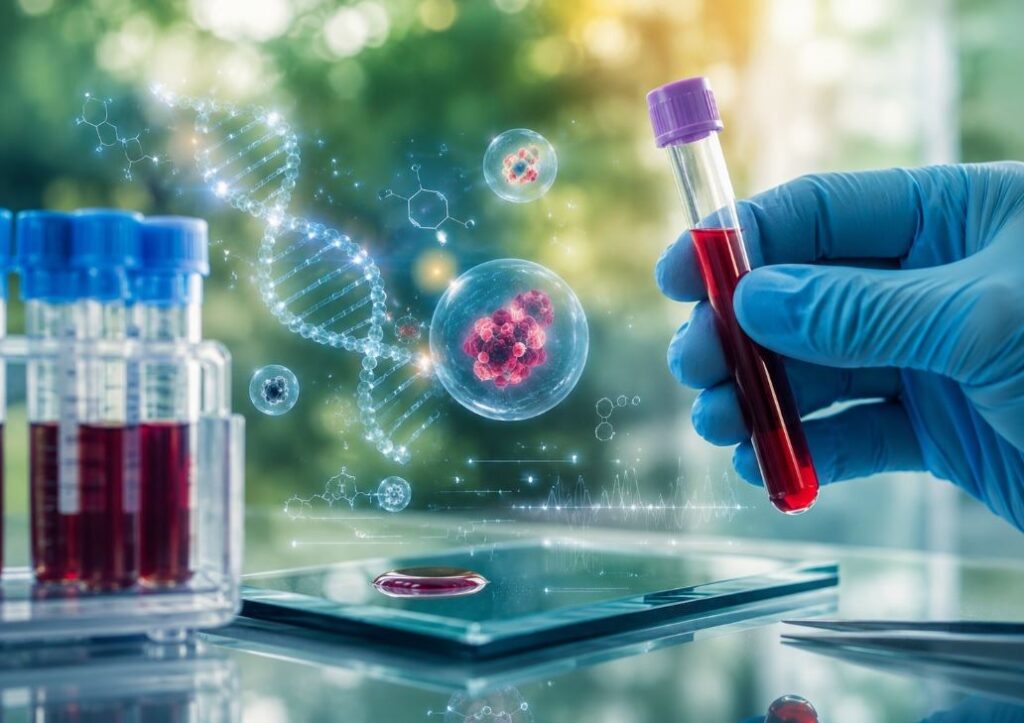
San Francisco, CA / 500NewsWire / August 31, 2026 / A simple blood draw could soon replace some of the most invasive steps in cancer diagnosis. Liquid biopsy, a technology that scans the bloodstream for tiny traces of tumor material, is quickly becoming one of the most talked-about breakthroughs in modern medicine. Instead of cutting into tissue to find cancer, doctors can now look for it in a few drops of blood, and the results are starting to change how early detection works.
Cancer remains one of the leading causes of death worldwide, largely because it’s often caught too late. Symptoms tend to show up only after a tumor has grown or spread, which makes early warning signs incredibly valuable. That’s exactly where liquid biopsy is stepping in.
What Liquid Biopsy Actually Does
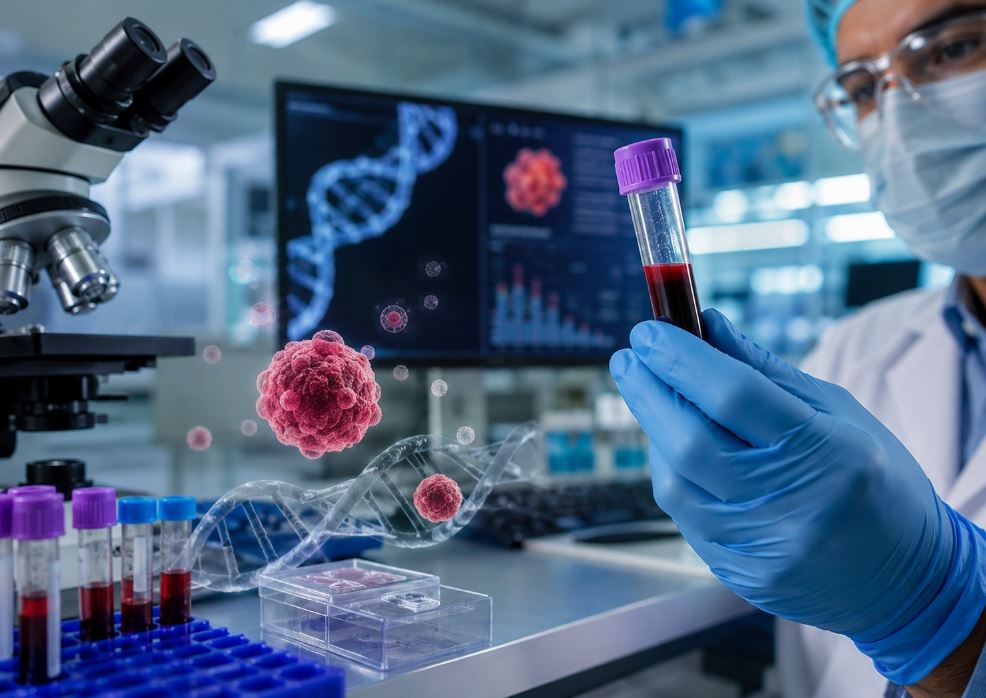
When tumors grow, they shed tiny fragments of genetic material, cells, and other particles into the bloodstream. Liquid biopsy technology is designed to detect and analyze these fragments, known as circulating tumor DNA, circulating tumor cells, and cell-free DNA. Instead of waiting for a lump to appear or a scan to catch something suspicious, doctors can look for these molecular clues years before symptoms show up.
Unlike traditional tissue biopsies, which involve surgery, needles, and recovery time, liquid biopsies only need a blood sample. That makes the process faster, safer, and repeatable, so doctors can track how a tumor is behaving over time instead of relying on a single snapshot.
Why This Technology Is Gaining Momentum Now
Advances in gene sequencing and precision lab techniques have made it possible to detect extremely small amounts of tumor material that used to go unnoticed. Researchers have also been combining multiple types of biomarkers, rather than relying on just one, to make results more accurate. This shift toward multi-cancer detection means a single blood test could eventually screen for several types of cancer at once, including lung, breast, colorectal, and prostate cancer.
Hospitals and research institutions are increasingly testing these tools not just for early detection, but also for monitoring how well a treatment is working and catching signs of cancer returning after remission. That kind of ongoing tracking was almost impossible with traditional biopsy methods.
The Real-World Impact for Patients
For patients, the benefits are hard to overstate. Early detection often means more treatment options, less aggressive procedures, and significantly better survival odds. Liquid biopsy also reduces the physical toll of repeated invasive testing, which matters a great deal for people already managing the stress of a cancer diagnosis or ongoing monitoring.
Doctors are especially hopeful about its use in cancers that are historically hard to detect early, such as pancreatic or ovarian cancer, where symptoms often appear only after the disease has advanced.
Challenges That Still Remain
Liquid biopsy isn’t perfect yet. Some early-stage tumors release very little detectable material, which can make results less reliable in certain cases. Cost and accessibility are also hurdles, especially in regions with limited healthcare infrastructure. Researchers continue working to improve sensitivity and make the technology more affordable and widely available.
Looking Ahead
As sequencing technology improves and more clinical studies confirm its accuracy, liquid biopsy is expected to become a routine part of cancer screening rather than a specialized option. For an illness where timing can make all the difference, this shift toward earlier, simpler detection may end up saving far more lives than most people realize.
Disclaimer: This article is intended for general informational purposes and does not constitute medical advice. Individuals with health concerns should consult a qualified healthcare professional.