
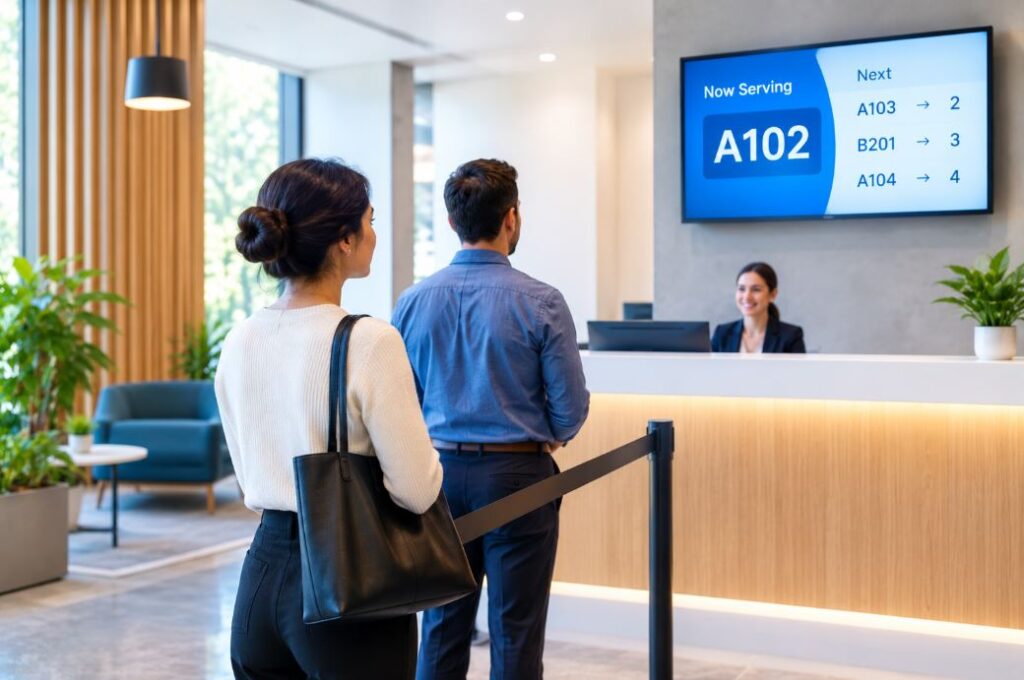
New York, NY / 500NewsWire / September 6, 2026 / Nobody likes standing in line. Whether it’s at a bank, a hospital, a government office, or a busy retail store, waiting in a queue has always felt like wasted time. But that is quickly changing. Businesses across the world are now adopting smart queue management systems, and the results are reshaping how customers experience service — for the better.
What Is a Smart Queue Management System?
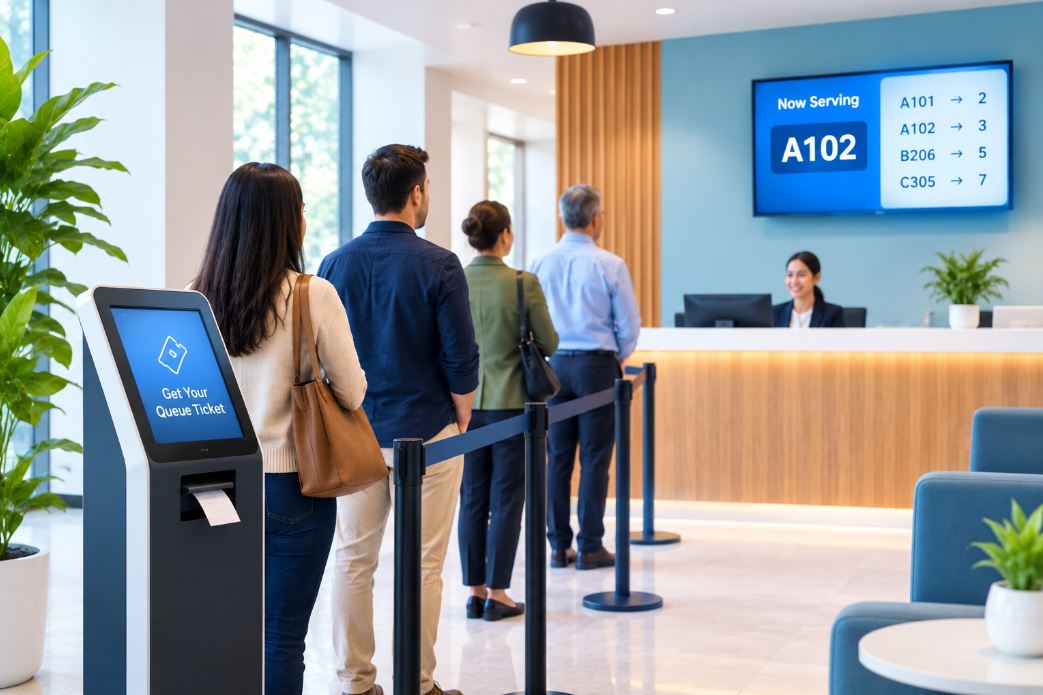
A smart queue management system is a digital tool that replaces the old-fashioned “take a number and wait” approach. Instead of standing in a physical line, customers can check in through a mobile app, a kiosk, or even a QR code, and then wait wherever they like — in their car, at a nearby café, or simply relaxing on a bench. The system tracks their position in real time and notifies them when it’s almost their turn.
This shift might sound small, but it is having a big impact on customer satisfaction, staff efficiency, and even business revenue.
Why Companies Are Making the Switch
The push toward smart queuing isn’t just about convenience. Businesses are under constant pressure to reduce costs while improving service quality, and long, disorganized lines often lead to frustrated customers who leave without completing a purchase or transaction. A well-designed queue system helps solve this problem in several ways:
- It reduces perceived wait times, since customers aren’t forced to stand and stare at a number board.
- It allows staff to manage crowds more efficiently, especially during peak hours.
- It provides valuable data on customer flow, helping managers plan staffing and store layout better.
- It creates a more professional, modern image for the brand.
Real-World Impact Across Industries
Hospitals are using these systems to reduce overcrowding in waiting rooms, which became especially important after the world became more health-conscious. Retail stores use them to manage fitting rooms and checkout lines during sales events. Banks and government offices — traditionally known for long queues — are using smart systems to cut down on complaints and improve public trust. Even restaurants have adopted virtual waitlists to prevent crowded entryways.
The Technology Behind the Convenience
Most smart queue systems rely on a mix of cloud software, mobile notifications, and sometimes artificial intelligence to predict wait times more accurately. Some advanced systems even analyze patterns from previous days to forecast busy periods, allowing businesses to prepare in advance. This means fewer surprises and smoother operations, even during unexpected rushes.
A Better Experience for Everyone
At its core, this technology is about respecting people’s time. Customers no longer feel like they are being ignored while waiting; they can see their progress, get accurate updates, and use their time more freely. Businesses, meanwhile, benefit from happier customers, better reviews, and more efficient use of staff.
What This Means Going Forward
As more industries recognize the value of a smooth, transparent waiting experience, smart queue management is likely to become a standard feature rather than a luxury. Just as online booking and digital payments became expected parts of doing business, queue management technology is on track to follow the same path.
In a world where customer patience is limited and expectations are high, the companies that invest in smarter, more human-friendly systems are the ones most likely to stand out — not because they eliminated the wait entirely, but because they made it far less painful.