
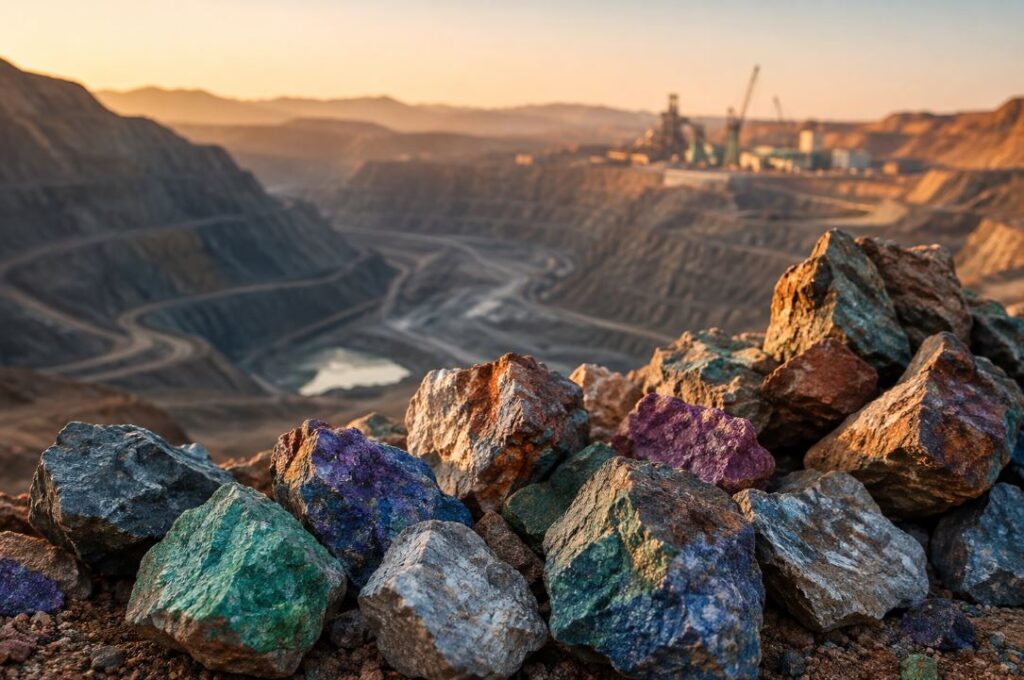
New York, NY / 500NewsWire / For years, the conversation around rare earth elements has focused on one question: who has the deposits? But that question is starting to miss the point. The world isn’t actually short on rare earth rock. It’s short on the ability to turn that rock into something usable — magnets, motors, and the components that power everything from electric vehicles to wind turbines to fighter jets.
Mining the ore is, in many ways, the easy part. The hard part comes after.
The Hidden Chokepoint in the Supply Chain
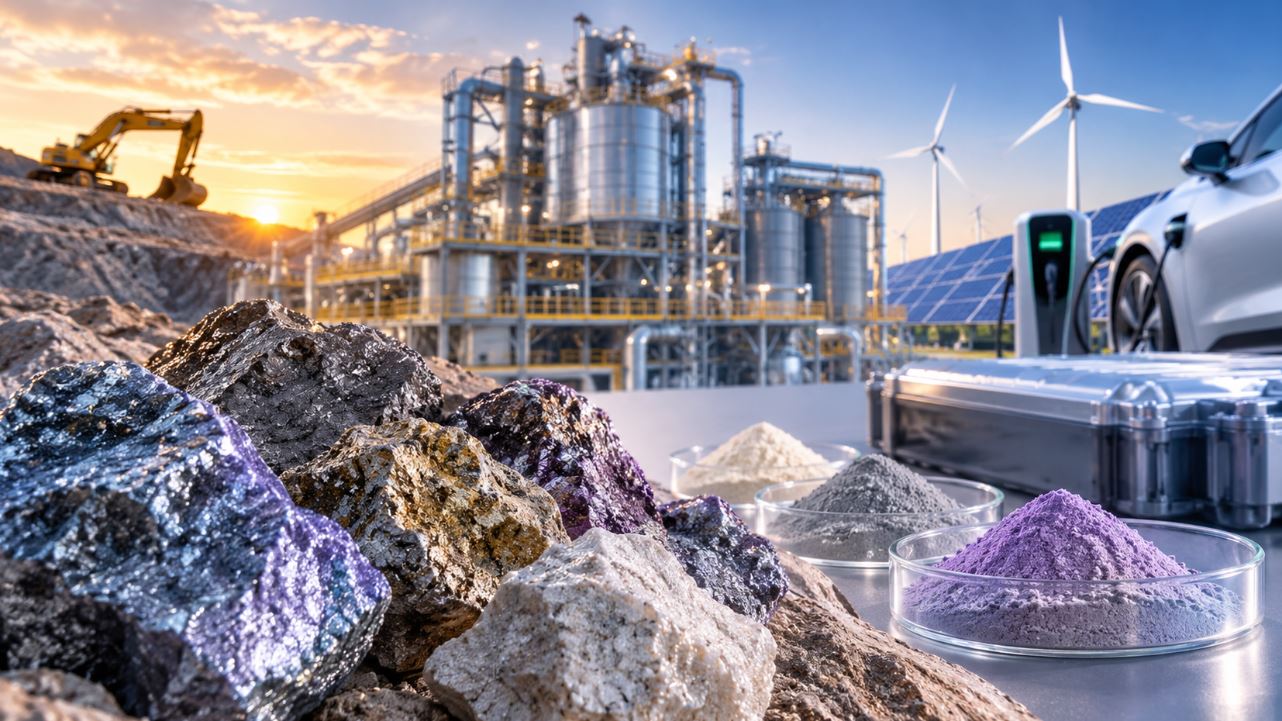
Rare earth elements rarely come out of the ground ready to use. They’re bound together in complex mineral structures that need to be separated, refined, and converted into oxides or metals before they’re useful to any manufacturer. This separation process is chemically difficult, environmentally sensitive, and expensive to scale.
For decades, one country built the infrastructure, expertise, and cost advantages to dominate this step, while much of the rest of the world kept mining but shipped the hard part elsewhere. The result is a supply chain that looks diversified on paper — multiple countries producing raw ore — but is actually concentrated at the one stage that matters most: processing.
That’s the real story behind today’s rare earth anxiety. It was never really about the rocks.
Why This Matters More Than Ever
Demand for rare earths is climbing fast, driven by electric vehicles, offshore wind projects, robotics, and defense technology. Every one of these industries needs a steady, predictable supply of processed rare earth materials — not just raw ore sitting in a warehouse.
Governments and manufacturers have started to notice the gap. Trade restrictions, export controls, and geopolitical tension have turned what used to be a quiet industrial detail into front-page news. A single policy decision in one country can ripple through automakers, defense contractors, and clean energy developers almost overnight.
Building New Processing Capacity Isn’t Simple
Setting up a new separation and refining facility isn’t something that happens in a year or two. It typically takes:
- Years of permitting and environmental review
- Specialized chemical engineering expertise that’s in short supply outside a handful of countries
- Significant upfront capital, often with uncertain returns until demand and pricing stabilize
- Careful management of the acidic and radioactive byproducts the process can generate
Because of these barriers, only a small number of new processing projects have moved from announcement to actual operation. Many that succeed do so with government backing, long-term offtake agreements, or partnerships that share both the cost and the risk.
A Shift That’s Already Underway
Despite the challenges, momentum is building. New facilities are coming online in North America, Europe, and Australia, often backed by public funding aimed squarely at reducing reliance on a single source. Automakers and defense agencies are signing long-term supply agreements earlier in the project lifecycle than they used to, essentially pre-funding capacity before it’s built.
This marks a real shift in how the industry thinks about rare earths. Mining volume is no longer the headline metric. Processing capacity is.
What Comes Next
The companies and countries that win the next phase of the rare earth race won’t necessarily be the ones with the biggest deposits. They’ll be the ones that solve the harder, less glamorous problem: building the chemical processing capacity to turn raw material into something the modern economy can actually use.