

While making arrangements after a death, suspected funeral home negligence can force you to compare an invoice against a verbal promise. Issued November 20, the FTC’s November 2024 report described undercover calls made in 2023 to 278 randomly selected funeral providers. During business hours, price information wasn’t provided by 7 percent; after hours, that share reached 26 percent. Package pricing for at least one service, without corresponding itemized prices, came from at least 33 percent; at least 37 providers also quoted different prices for the same services on separate calls.
Although those findings make price records created at the time especially relevant, a pricing inconsistency by itself doesn’t prove misconduct. Treat this national overview as general information rather than jurisdiction-specific legal advice. State by state, requirements and record names differ, including for disposition authorizations.
Why Records Shape a Funeral Home Negligence Review
Agreements and written family instructions
Which services you requested, along with the quoted prices, may appear in your agreement and itemized statement. Earlier terms may be found in preneed documents. To see who gave permission and when, review authorizations and written instructions while checking for later revisions. Since providers don’t always use the same document titles, set revised estimates beside the signed agreement. When instructions changed by phone, keep any existing follow-up message that shows both the change and its sent date.
Asked by telephone, providers generally must give price information under the Funeral Industry Practices Rule, 16 C.F.R. Part 453, and they generally must provide an itemized General Price List when an in-person discussion about funeral arrangements begins. Authorizations and disposition records may also fall under separate state requirements.
Correspondence and payment records
Alongside existing voicemail files, retain complete email and text threads with their attachments. With invoices and receipts, keep card statements plus proof of refunds or disputed charges. Compare the bill against the promise afterward.
When assessing a potential funeral home negligence matter, counsel can use service agreements, written instructions, correspondence, photographs, and available handling records. Liability isn’t established by documents alone. Also keep material that goes against your account, such as the provider’s written response to your billing objection.
Photographs and available handling records
When evidence addresses the disputed event, it’s most useful. An authorization may help with a permission question, whereas an available transport log may clarify what happened during a transfer. For custody, available identification records or release forms may help. Dates may appear in incident reports and cemetery or crematory correspondence, although terms and availability differ; you also may not be entitled to every internal document.
Keep original photographs with the metadata left intact. A screenshot works as a working copy, but don’t use it in place of the native file.
With the other handling records, keep any available cremation authorization.
What Records to Keep After Funeral Home Negligence
A practical evidence file
Around the suspected error, build a file that includes records challenging your recollection. Instead of selected screenshots, save the complete threads. Keep any correction email from the provider beside your original message.
|
Record category |
What to preserve |
What it may clarify |
|
Service documents |
Signed contracts and itemized statements; estimates and later revisions |
Requested services and quoted charges; contract changes |
|
Family instructions |
Written directions and authorizations; acknowledgments |
Who gave instructions and what the provider received |
|
Communications |
Complete email threads and texts; voicemail files and letters |
Representations and notices; objections and timing |
|
Payment records |
Receipts and invoices; card statements and refund records |
Amounts charged and payment dates; disputed transactions |
|
Images |
Original photo or video files with unedited copies |
Visible conditions and file creation details |
|
Handling records |
Available transport and identification records; release forms or incident documents |
Movement and custody; identification and reported events |
Keep originals separate from working copies
A stable folder should hold original receipts and other paper records. Keep digital materials in native formats, leaving original pages unmarked. For scans and annotated copies, use a separate working folder.
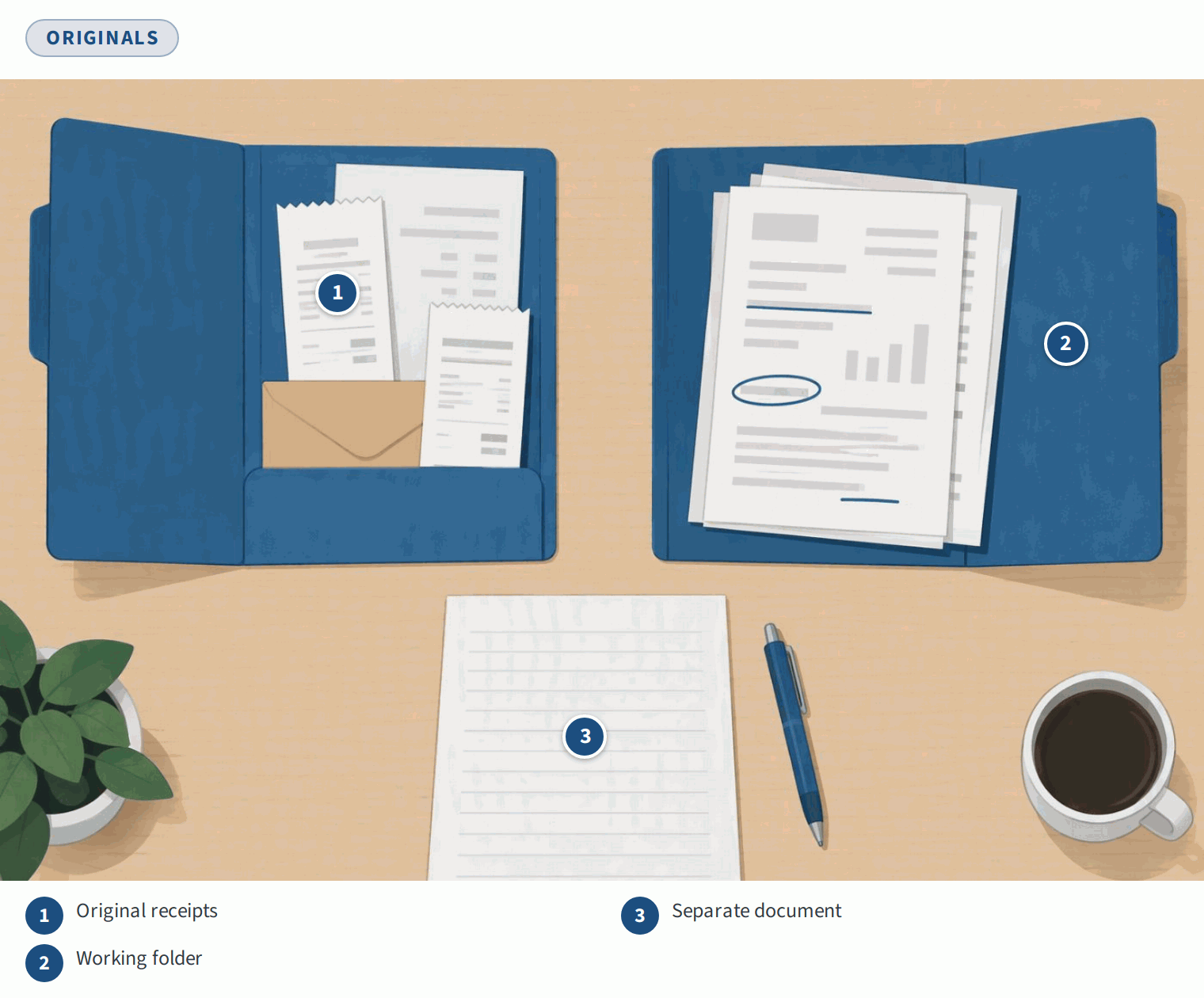
Limit access to people helping you, and keep two secure digital copies in different locations. Original photos should stay uncropped, with forwarded email text unchanged. Rather than writing explanatory notes on original pages, put them in a separate document. If an original email export is available, keep it instead of relying only on a printout. Admissibility isn’t guaranteed by these practical preservation measures. With letters, retain the envelope that shows the postmark.
How to Document a Funeral Home Negligence Case Before a Complaint
Build a factual chronology
Begin with the events you can date. Even when a dated note is all you have, put the telephone conversation in the chronology.
- Enter, by date and approximate time, each event.
- Identify the participants, noting how they communicated, such as by email or telephone.
- Describe what happened without guessing at motives.
- Attach a filename or folder reference for the supporting record, linking each entry to one specific document.
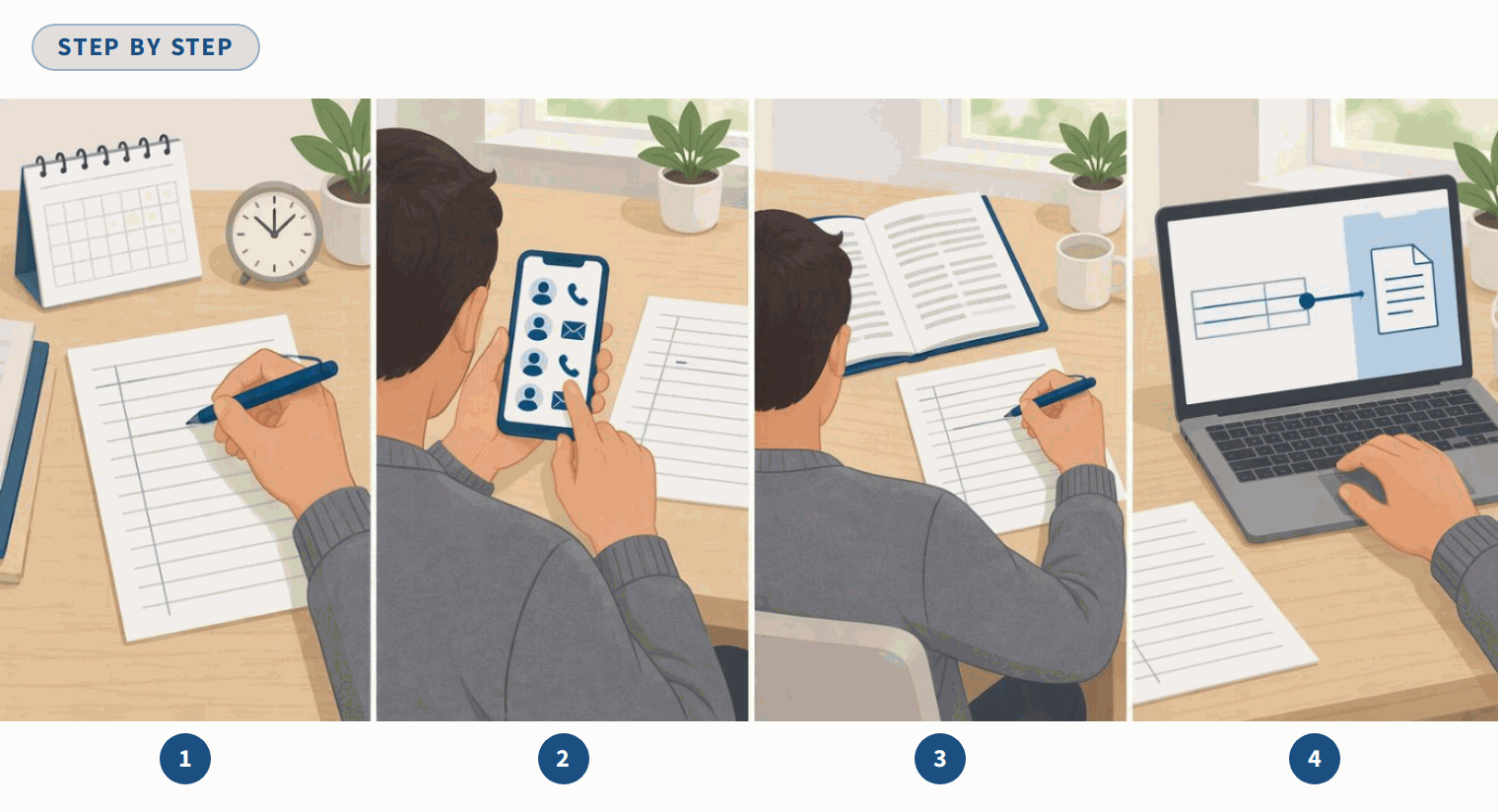
Put the date you wrote them on any later recollections. When you aren’t sure of an event’s time, state that uncertainty instead of turning an estimate into a confirmed timestamp.
Assemble evidence for a funeral home complaint
Open your complaint packet with a concise narrative followed by a document index. After adding copies of supporting records, describe the response you want, such as an explanation of a disputed invoice. Unless a regulator or court formally requires the originals, keep them.
Because state agencies vary in name and power, find the appropriate state funeral services licensing board or consumer protection office. The FTC’s authority may also cover federal pricing concerns. Neither compensation nor enforcement comes guaranteed with a complaint. Keep your submission confirmation along with any complaint number.
Prepare for a legal consultation
First in the packet goes the chronology; number the supporting documents, while a separate page holds unresolved questions. Behind the relevant document, place the provider’s response and any reply from a regulator.
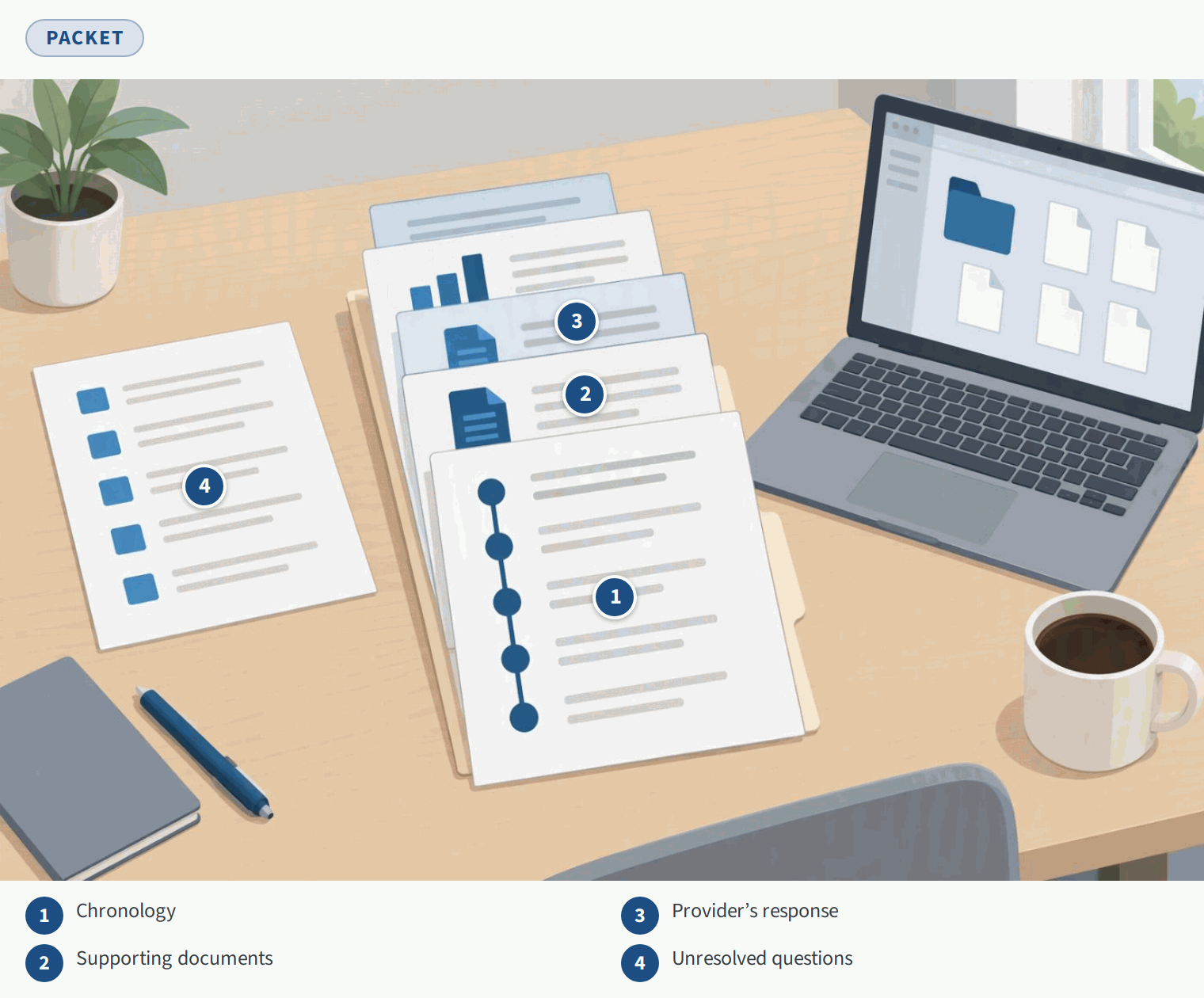
After considering the agreement and applicable state law, your attorney must assess causation and the available remedies. Don’t treat any limitation period as universal because filing deadlines depend on both the claim and jurisdiction. Facts come from your file; it doesn’t determine liability. Bring the timeline on paper, together with a searchable digital folder.
Practical Funeral Questions Worth Documenting
How should a family prepare for a funeral viewing?
In writing, confirm both the viewing schedule and requested presentation. Name the designated contact after specifying permitted personal items and accessibility arrangements. When a request matters deeply, file the provider’s acknowledgment with the service agreement. Include any reply that confirms a particular garment.
Are funerals stressful?
Funerals can be stressful, yes. Alongside grief come rapid decisions and financial discussions, with travel arrangements competing against family coordination. Have one person keep documents while another handles immediate questions. Copies of receipts should go to the document keeper.
How can someone get through a difficult funeral?
With someone you trust, arrange transportation and identify a quiet place for taking a break. Let a trusted person handle practical conversations for you during the service. If you wish, add that person’s name to the contact sheet.
How can you be supportive at a funeral?
Take on a defined task or offer other practical help that respects the family’s stated customs. Before taking or posting photographs, ask permission. Keep support specific after the service by agreeing on a time to return borrowed items or deliver a meal.
What do funeral directors not want you to know?
Without evidence, that framing assumes something is concealed. The federal rule discussed above lets you request prices by telephone and obtain the required itemized information. To examine a disputed explanation more easily, keep both the price list and a note of the conversation.
Who walks out first at a funeral?
Who walks out first may depend on religious practices, venue customs, and the family’s preferences. Instructions commonly come beforehand from the officiant or funeral director. Keep the plan with the service schedule after confirming it with that person.
When a Clear Record Makes Review Possible
An organized file gives a regulator or attorney a clearer basis for assessing what happened, since it keeps confirmed events apart from assumptions. Before requesting a review, you don’t have to settle every disagreement. Rather than filling gaps with guesses, leave them visible. Match a dated timeline to preserved original records; then the questions at issue can be checked against the record without altering the underlying material.
Sources
- The Federal Trade Commission published the cited phone-sweep findings on November 20, 2024.
- The federal pricing provisions appear in 16 C.F.R. Part 453, Funeral Industry Practices.