

A personal injury can have a significant impact on someone’s life, affecting their physical health, emotional well-being, financial stability, and ability to work. Whether an injury results from a car accident, workplace incident, slip and fall, or another person’s negligence, individuals may have the right to pursue compensation for their losses.
Understanding how personal injury claims work can help injured individuals make informed decisions, protect their legal rights, and navigate the claims process more confidently.
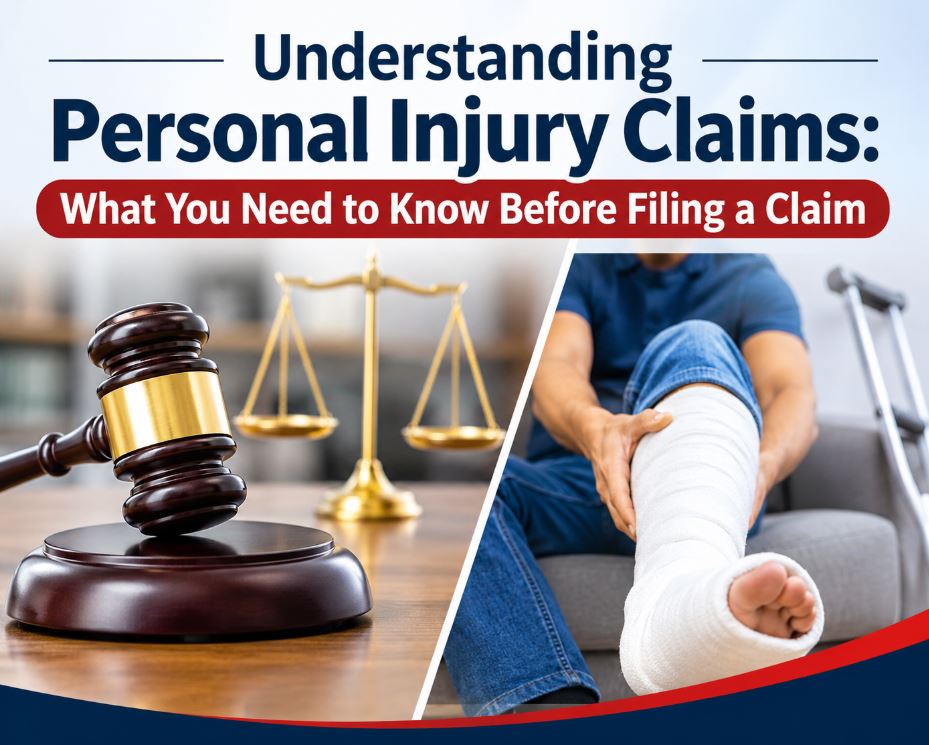
What Is a Personal Injury Claim?
A personal injury claim is a legal process through which an injured person seeks financial compensation from an individual, business, insurance company, or another responsible party. These claims generally arise when someone’s negligence or wrongful actions cause harm to another person.
Common situations that may lead to personal injury claims include:
-
Motor vehicle and motorcycle accidents.
-
Workplace accidents and occupational injuries.
-
Slip-and-fall incidents on unsafe properties.
-
Medical negligence and malpractice.
-
Defective products that cause physical harm.
-
Dog bites and other animal-related injuries.
The circumstances surrounding an accident and the applicable laws determine whether an injured person has grounds to pursue compensation.
What Compensation Can Be Recovered?
The financial consequences of an injury can extend well beyond immediate medical expenses. Depending on the circumstances and applicable law, a successful personal injury claim may provide compensation for several types of losses.
These may include medical bills, hospital treatment, rehabilitation, prescription medications, lost wages, and reduced future earning capacity. Individuals may also seek compensation for physical pain, emotional distress, and the impact an injury has on their everyday activities.
In more serious cases involving permanent disabilities or long-term medical conditions, future treatment expenses and ongoing care requirements may also be considered.
The amount of compensation varies depending on the severity of the injury, available evidence, financial losses, and the legal requirements of the jurisdiction.
Steps to Take After an Accident
Taking appropriate steps immediately after an accident can help protect an individual’s health and strengthen a potential personal injury claim.
1. Seek Medical Attention
Medical treatment should be the first priority following an accident. Even injuries that initially appear minor may develop into more serious conditions. Medical records can also provide important documentation connecting an accident to the injuries sustained.
2. Document the Incident
Photographs of the accident scene, visible injuries, damaged property, and relevant surroundings can help establish what happened. Witness contact information and incident reports may also become valuable evidence.
3. Keep Records of Expenses
Individuals should maintain records of medical bills, medication costs, transportation expenses, lost income, and other accident-related financial losses.
4. Understand Your Legal Rights
Speaking with a qualified personal injury attorney can help individuals understand their options, evaluate potential claims, and determine the appropriate next steps.
Why Legal Representation Can Matter
Personal injury claims can involve complicated insurance procedures, liability disputes, medical documentation, and negotiations. Insurance companies may question the circumstances of an accident, dispute responsibility, or challenge the value of a claim.
An experienced personal injury lawyer can review the available evidence, communicate with insurance representatives, calculate potential damages, and negotiate for a reasonable settlement. If an agreement cannot be reached, legal representation may also help an injured individual pursue the matter through court proceedings.
Legal deadlines are another important consideration. Limitation periods vary depending on the jurisdiction and type of claim, so seeking advice promptly can help prevent important deadlines from being missed.
Moving Forward After a Personal Injury
Recovering from an accident can be physically, emotionally, and financially challenging. Understanding the personal injury claims process gives individuals a clearer picture of their potential rights and available options.
By seeking medical care, preserving relevant evidence, maintaining accurate financial records, and obtaining appropriate legal guidance, injured individuals can take practical steps toward protecting their interests.
Every personal injury case is different, and compensation is not guaranteed. Understanding the circumstances of an accident and the laws that apply is essential before deciding how to proceed.